MSFS
Airbus Helicopter H225 ↗
A large twin-engine helicopter from the Super Puma line, used for offshore and public-service work.
1 implementations+ Compare
Explore the aircraft. Find your simulator. Follow the sources.
A large twin-engine helicopter from the Super Puma line, used for offshore and public-service work.
A single-seat competition sailplane offered in Standard and 18-metre configurations.
A six-engine heavy transport created for exceptionally large external and internal loads.
A side-by-side two-seat sailplane with a retractable powerplant for self-launching.
A regional turboprop family whose short early versions and larger Q400 have different proportions and systems.
Cessna's retractable-gear Centurion, a high-wing touring aircraft.
A post-war Businessliner with a radial engine, cabin transport ambitions and tailwheel gear.
A turbine-powered utility helicopter with a broad cabin and a long international service history.
A lightweight pusher family with an enclosed cabin and a high, braced wing.
The Wilga is the real-aircraft starting point for Mike Patey's DRACO and the simulator's DRACO X.
A composite touring single with a whole-aircraft parachute and several generations of avionics.
A personal jet with one engine above the rear fuselage and a distinctive V-tail.
Lockheed's tandem-seat Shooting Star jet trainer.
An amphibious turboprop designed around scooping water and delivering it to fires.
A compact twin-engine helicopter widely used for medical, police and training work.
A military transport developed from the DC-3, used for cargo, troops, parachuting and glider towing.
Epic's experimental light-jet project, represented in simulation by Aerobask.
An enclosed-cabin development of the Bell 47, shaped for passenger and executive transport.
A modern two-seat piston helicopter designed around the training role.
A Brazilian light trainer with a high wing, tandem seats and a simple utility layout.
A four-engine military turboprop designed to combine tactical access with long-distance transport.
A wooden touring-aircraft family recognisable by the upward-angled outer wing panels.
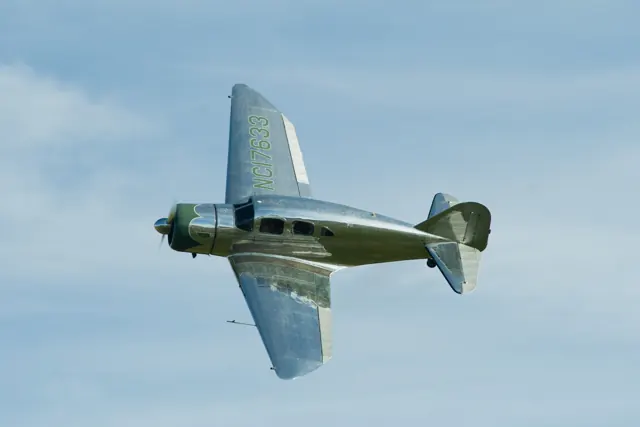
A late-1930s cabin aircraft with metal construction and retractable landing gear.
A stretched development of the DC-9 with rear-mounted engines and a five-abreast cabin.
This is AirframeDB’s first release. More features and aircraft research are planned. Leave your email if you’d like occasional updates.