X-Plane
McDonnell Douglas F-4 Phantom II ↗
A two-seat, twin-engine fighter that served naval and land-based air forces in many roles.
2 implementations+ Compare
Explore the aircraft. Find your simulator. Follow the sources.
A two-seat, twin-engine fighter that served naval and land-based air forces in many roles.
A streamlined light twin helicopter, with the later Bell 230 in the same family.
A First World War trainer that became a familiar sight in the barnstorming era.
A composite, low-wing touring single with fixed gear and a turbocharged engine.
A four-seat touring family whose Commander 114 added a larger engine and further refinements.
A long-haul twin whose family spans passenger, freight and specialist transport roles.
A modern composite twin with a roomy cabin and two wing-mounted piston engines.
A military transport developed from the DC-3, used for cargo, troops, parachuting and glider towing.
A heavy transport helicopter whose two large rotors remove the need for a tail rotor.
A box-shaped utility twin whose cabin and rear access are central to its design.
A French two-seat aerobatic trainer with side-by-side seating and a distinctive curved wing outline.
A compact rear-engined jet designed for short-haul regional airline work.
A large long-haul twin that introduced Boeing's first commercial fly-by-wire airliner flight controls.
A light turbine helicopter combining an Alouette II airframe with more powerful Alouette III components.
A twin-turboprop regional airliner developed through Swedish and American industrial cooperation.
A Swedish reconnaissance and dive-bombing aircraft from the early 1940s.
A military liaison aircraft built around a high wing, tandem cabin and short-field utility work.
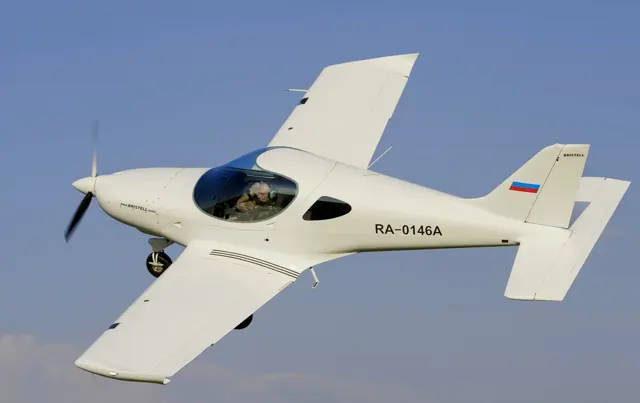
BRM Aero's two-seat B23, represented in MSFS by Airfoillabs.
An enclosed-cabin development of the Bell 47, shaped for passenger and executive transport.
A twin-radial military transport with a rear ramp and short-field design priorities.
A fixed-wing observation aircraft with a helicopter-like view from its glazed nose.
A small three-engine demonstrator created to explore technologies for a future supersonic airliner.
A compact Japanese twin turboprop with a high wing and pressurised cabin.
A pressurised touring twin whose piston and turbine-conversion versions make a particularly interesting comparison.
This is AirframeDB’s first release. More features and aircraft research are planned. Leave your email if you’d like occasional updates.