X-Plane
Cessna 206 Stationair ↗
The Stationair utility family, combining a high wing with fixed landing gear.
1 implementations+ Compare
Explore the aircraft. Find your simulator. Follow the sources.
The Stationair utility family, combining a high wing with fixed landing gear.
A wooden touring-aircraft family recognisable by the upward-angled outer wing panels.
A purpose-built aerobatic monoplane family developed by pilot and designer Walter Extra.
A post-war Czech light twin with a rounded cabin and engines carried on a low wing.
A large twin-engine helicopter from the Super Puma line, used for offshore and public-service work.
A two-seat training single with a high wing and fixed tricycle landing gear.
An Italian light aircraft known for military training and aerobatic use.
A four-engine jetliner that helped establish the shape of long-distance jet travel.
A post-war Businessliner with a radial engine, cabin transport ambitions and tailwheel gear.
A light turbine helicopter combining an Alouette II airframe with more powerful Alouette III components.
A single-engine turboprop workhorse for passenger services, freight and remote-area transport.
A four-seat high-wing single that spans generations of conventional instruments and glass cockpits.
SOCATA's touring-aircraft family, including the Tobago and Trinidad.
A family of single-aisle airliners built around sidesticks, electronic flight controls and a shared cockpit.
A super-midsize business jet with a swept wing, rear-mounted engines and an integrated glass cockpit.
A rear-engined trijet built to bring jet service to shorter routes and smaller airports.
A 1920s flying boat with two engines arranged in tandem above the wing.
A light business jet with a swept wing, rear-mounted engines and an integrated flight deck.
A high-wing utility aircraft known for short-field work and a broad choice of working configurations.
A personal jet with one engine above the rear fuselage and a distinctive V-tail.
A twin-turboprop regional airliner developed through Swedish and American industrial cooperation.
The second-generation Harrier, designed around vectored thrust and short-field operation.
Tecnam's two-seat, low-wing Sierra, introduced in the early 2000s.
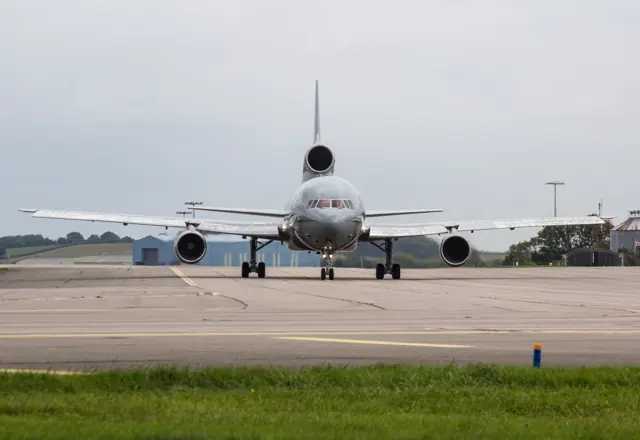
Lockheed's wide-body TriStar, with three RB211 engines and a distinctive tail intake.
This is AirframeDB’s first release. More features and aircraft research are planned. Leave your email if you’d like occasional updates.