MSFS
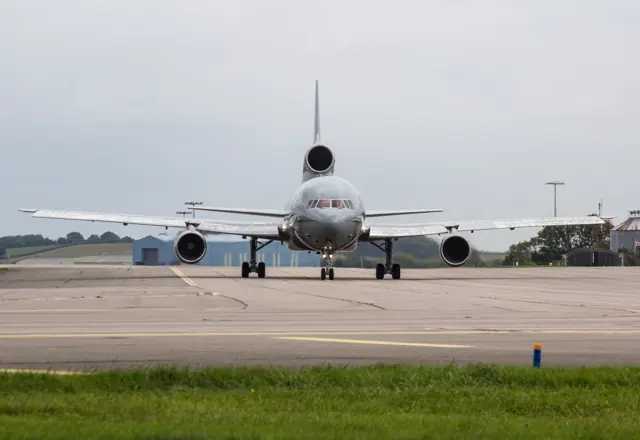
Lockheed L-1011 TriStar ↗
Lockheed's wide-body TriStar, with three RB211 engines and a distinctive tail intake.
1 implementations+ Compare
Explore the aircraft. Find your simulator. Follow the sources.
Lockheed's wide-body TriStar, with three RB211 engines and a distinctive tail intake.
A wooden touring-aircraft family recognisable by the upward-angled outer wing panels.
A French two-seat aerobatic trainer with side-by-side seating and a distinctive curved wing outline.
An enclosed-cabin development of the Bell 47, shaped for passenger and executive transport.
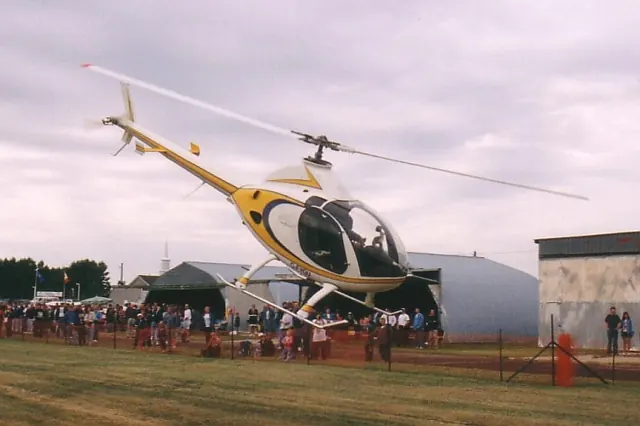
RotorWay's two-seat kit-helicopter family, with piston and turbine simulator interpretations.
A tandem-seat light aircraft with a streamlined low-wing layout.
A four-engine airliner that brought pressurised-cabin travel into scheduled service.
A compact rear-engined jet designed for short-haul regional airline work.
A three-engine airliner that became a mainstay of Soviet and Russian passenger transport.
A radial-engine trainer that also served in combat and civilian warbird roles.
A tandem-seat utility aircraft whose light structure and high wing suit bush, towing and recreational work.
An all-metal sport and touring aircraft from Bayerische Flugzeugwerke.
A twin-turboprop regional airliner developed through Swedish and American industrial cooperation.
A pioneering light helicopter whose bubble cabin and exposed structure became widely recognisable.
A composite touring single with a whole-aircraft parachute and several generations of avionics.
A single-seat aerobatic monoplane that also became a familiar air-racing aircraft.
A midsize business jet developed by Bombardier’s Learjet division.
Tecnam's four-seat high-wing single, built with metal and carbon-fibre components.
A low-wing piston family that spans simple trainers, touring aircraft and retractable-gear Arrows.
The purpose-built Ryan monoplane used by Charles Lindbergh for his 1927 solo Atlantic crossing.
A long-range twin designed around a new wide-body airframe and extensive composite construction.
A tailwheel utility single built around a high wing and a substantial working cabin.
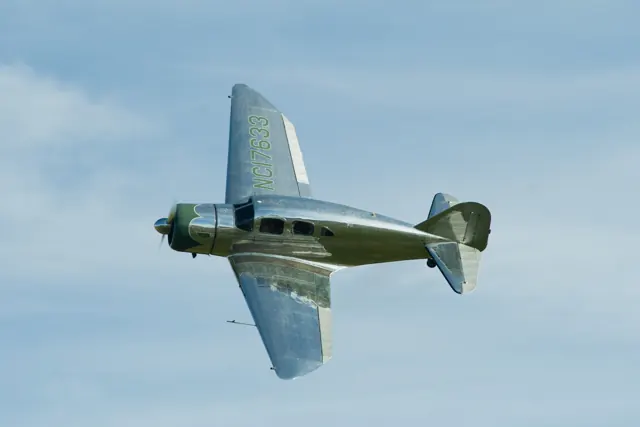
A late-1930s cabin aircraft with metal construction and retractable landing gear.
A modern two-seat piston helicopter designed around the training role.
This is AirframeDB’s first release. More features and aircraft research are planned. Leave your email if you’d like occasional updates.