MSFS
Short SC.7 Skyvan ↗
A box-shaped utility twin whose cabin and rear access are central to its design.
1 implementations+ Compare
Explore the aircraft. Find your simulator. Follow the sources.
A box-shaped utility twin whose cabin and rear access are central to its design.
A six-engine flying boat created for long-distance passenger travel over water.
A shorter wide-body Airbus from the transition to two-pilot, electronic-instrument cockpits.
An open, single-seat ultralight with its propeller behind the pilot.
A modern composite twin with a roomy cabin and two wing-mounted piston engines.
An amphibious turboprop designed around scooping water and delivering it to fires.
A post-war Czech light twin with a rounded cabin and engines carried on a low wing.
A huge wooden flying-boat prototype that made one brief flight in 1947.
A fixed-wing observation aircraft with a helicopter-like view from its glazed nose.
A twin-engine business jet designed to retain some of the utility flexibility associated with the PC-12.
A six-seat composite single turboprop with a pressurised cabin and retractable gear.
A high-wing utility aircraft known for short-field work and a broad choice of working configurations.
A four-engine jetliner that helped establish the shape of long-distance jet travel.
A DC-10-derived tanker that combined aerial refuelling with passenger and cargo transport.
A regional jet family with four small engines, a high wing and a large split tail airbrake.
A two-seat Tecnam high-wing aircraft combining composite and metal construction.
A compact Japanese twin turboprop with a high wing and pressurised cabin.
A composite touring single with a whole-aircraft parachute and several generations of avionics.
A military transport developed from the DC-3, used for cargo, troops, parachuting and glider towing.
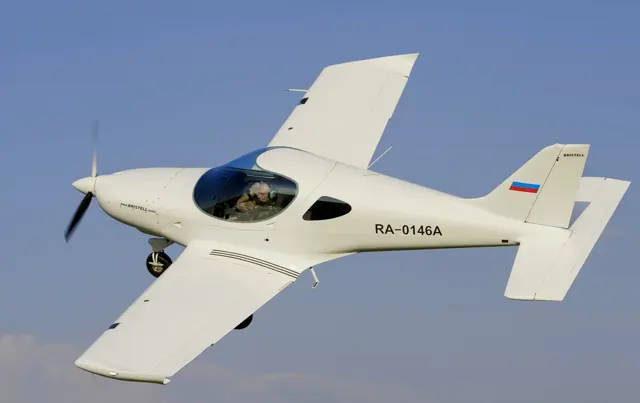
BRM Aero's two-seat B23, represented in MSFS by Airfoillabs.
The Model 525 CitationJet, the starting point of Cessna's CJ and M2 lineage.
A two-seat, twin-engine fighter that served naval and land-based air forces in many roles.
A wooden touring-aircraft family recognisable by the upward-angled outer wing panels.
This is AirframeDB’s first release. More features and aircraft research are planned. Leave your email if you’d like occasional updates.