X-Plane
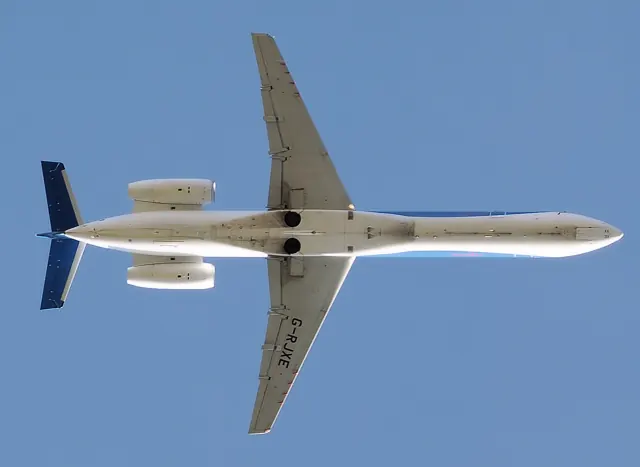
Embraer ERJ family ↗
Embraer's regional-jet family, from the ERJ 135 to the longer ERJ 145.
1 implementations+ Compare
Explore the aircraft. Find your simulator. Follow the sources.
Embraer's regional-jet family, from the ERJ 135 to the longer ERJ 145.
A small twin-engine amphibian that moved from business transport into military and utility service.
A modern medium twin-engine helicopter developed as a successor to the Dauphin line.
A twin-turbine Huey descendant with a four-blade main rotor.
The Huey: a turbine-powered utility helicopter with a broad cabin and an unmistakable two-bladed rotor.
A cabin biplane with the lower wing placed ahead of the upper one.
A four-engine Airbus wide-body developed in parallel with the A330.
A radial-engine trainer that also served in combat and civilian warbird roles.
A light turbine helicopter whose land-based Scout and naval Wasp branches served different jobs.
A regional jet family with four small engines, a high wing and a large split tail airbrake.
A rear-engined trijet built to bring jet service to shorter routes and smaller airports.
A two-seat composite kit aircraft developed from the Lancair 320.
A composite amphibian that carries Dornier's centreline engine arrangement into the turboprop era.
A retractable-gear touring single with an all-metal airframe and a long-lived enthusiast following.
SOCATA's touring-aircraft family, including the Tobago and Trinidad.
A twin-radial airliner that helped make practical passenger transport a regular business.
A tailwheel utility single built around a high wing and a substantial working cabin.
A pressurised touring twin whose piston and turbine-conversion versions make a particularly interesting comparison.
A twin-turboprop utility aircraft developed by Reims Aviation with Cessna.
A heavy-lift helicopter built around an open frame and an external working load.
A four-engine airliner that brought pressurised-cabin travel into scheduled service.
A box-shaped utility twin whose cabin and rear access are central to its design.
A long-running touring single, familiar in both V-tail and conventional-tail forms.
A pressurised twin turboprop with a canard, composite airframe and rear-facing propellers.
This is AirframeDB’s first release. More features and aircraft research are planned. Leave your email if you’d like occasional updates.

































