X-Plane
Piper PA-31 Navajo ↗
Piper's PA-31 utility twin, used in commuter, cargo and corporate transport.
1 implementations+ Compare
Explore the aircraft. Find your simulator. Follow the sources.
Piper's PA-31 utility twin, used in commuter, cargo and corporate transport.
A long-running touring single, familiar in both V-tail and conventional-tail forms.
A compact Italian light twin with a shoulder wing and metal airframe.
A push-pull twin with one engine at each end of the central fuselage.
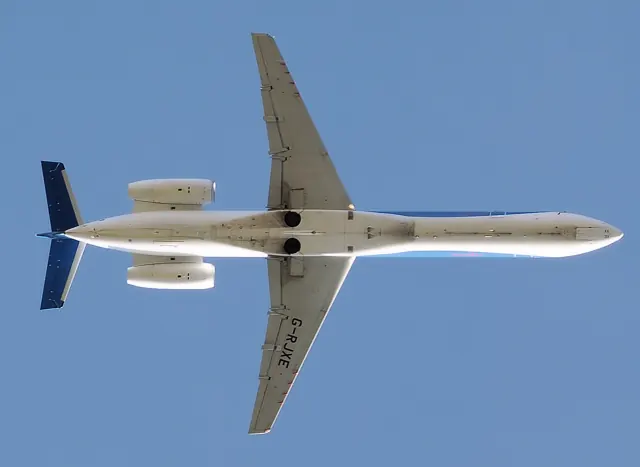
Embraer's regional-jet family, from the ERJ 135 to the longer ERJ 145.
SOCATA's touring-aircraft family, including the Tobago and Trinidad.
A long-range trijet developed from the DC-10 with a stretched fuselage and revised wing and cockpit.
A composite, low-wing touring single with fixed gear and a turbocharged engine.
The Stationair utility family, combining a high wing with fixed landing gear.
A low-wing piston family that spans simple trainers, touring aircraft and retractable-gear Arrows.
A specialised reconnaissance aircraft designed for very high altitude and sustained supersonic flight.
A twin-aisle Boeing designed alongside the 757's generation of two-pilot flight decks.
A two-seat training single with a high wing and fixed tricycle landing gear.
A tandem two-seat sailplane designed for instruction and broader soaring use.
A family of single-aisle airliners built around sidesticks, electronic flight controls and a shared cockpit.
TorqueSim's Pocket Rocket, a simulated PT6-powered light aircraft with two gear layouts.
A two-seat composite trainer with a low wing and a large canopy.
A military liaison aircraft built around a high wing, tandem cabin and short-field utility work.
An advanced trainer known around the world as the Texan, Harvard and SNJ.
A personal jet with one engine above the rear fuselage and a distinctive V-tail.
A low-wing piston twin that carries the Beechcraft touring-aircraft lineage into two-engine flying.
A pressurised single turboprop with a large cargo door and a broad range of working roles.
An Italian light aircraft known for military training and aerobatic use.
The second-generation Harrier, designed around vectored thrust and short-field operation.
This is AirframeDB’s first release. More features and aircraft research are planned. Leave your email if you’d like occasional updates.