MSFS
Flight Design CTSL ↗
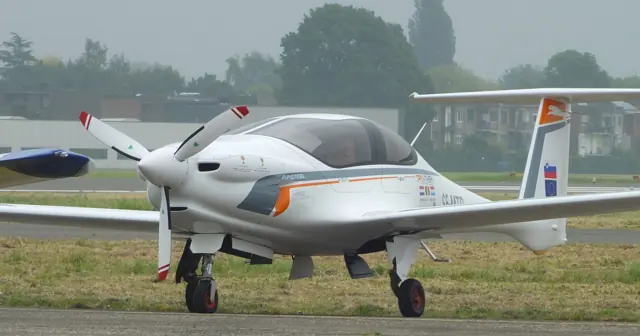
A two-seat composite light-aircraft family with a high wing and a compact enclosed cabin.
2 implementations+ Compare
Explore the aircraft. Find your simulator. Follow the sources.
A two-seat composite light-aircraft family with a high wing and a compact enclosed cabin.
A close-air-support aircraft with a straight wing, twin tail and two widely separated jet engines.
The Wilga is the real-aircraft starting point for Mike Patey's DRACO and the simulator's DRACO X.
The second-generation Harrier, designed around vectored thrust and short-field operation.
A DC-10-derived tanker that combined aerial refuelling with passenger and cargo transport.
A family of single-aisle airliners built around sidesticks, electronic flight controls and a shared cockpit.
A compact twin-engine transport helicopter with retractable gear and a long development history.
Diamond's four-seat light twin, developed with diesel-powered versions.
A high-wing utility aircraft known for short-field work and a broad choice of working configurations.
A six-seat composite single turboprop with a pressurised cabin and retractable gear.
SOCATA's touring-aircraft family, including the Tobago and Trinidad.
A tandem-seat utility aircraft whose light structure and high wing suit bush, towing and recreational work.
A pressurised single turboprop with a large cargo door and a broad range of working roles.
A long-range fighter whose different engine and canopy developments produced several distinct forms.
A 1920s transport family that developed from a single-engine airliner into a trimotor.
Pipistrel's streamlined four-seat composite-aircraft design.
A compact Italian light twin with a shoulder wing and metal airframe.
Cirrus's first type-certified aircraft, a composite piston single.
A composite touring single with a whole-aircraft parachute and several generations of avionics.
A small twin-engine amphibian that moved from business transport into military and utility service.
A twin-radial military transport with a rear ramp and short-field design priorities.
A long-range twin whose programme emphasised composite construction and more electrically powered systems.
A five-seat turbine helicopter developed from Robinson's smaller piston-helicopter line.
Piper's PA-31 utility twin, used in commuter, cargo and corporate transport.
This is AirframeDB’s first release. More features and aircraft research are planned. Leave your email if you’d like occasional updates.