MSFS
Pipistrel Taurus M ↗
A side-by-side two-seat sailplane with a retractable powerplant for self-launching.
1 implementations+ Compare
Explore the aircraft. Find your simulator. Follow the sources.
A side-by-side two-seat sailplane with a retractable powerplant for self-launching.
A lightweight short-field aircraft with a specialised wing and tall, shock-absorbing landing gear.
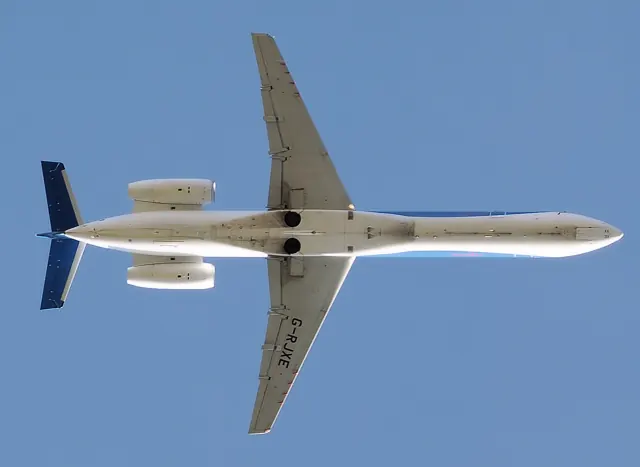
Embraer's regional-jet family, from the ERJ 135 to the longer ERJ 145.
An open, single-seat ultralight with its propeller behind the pilot.
A two-seat composite trainer with a low wing and a large canopy.
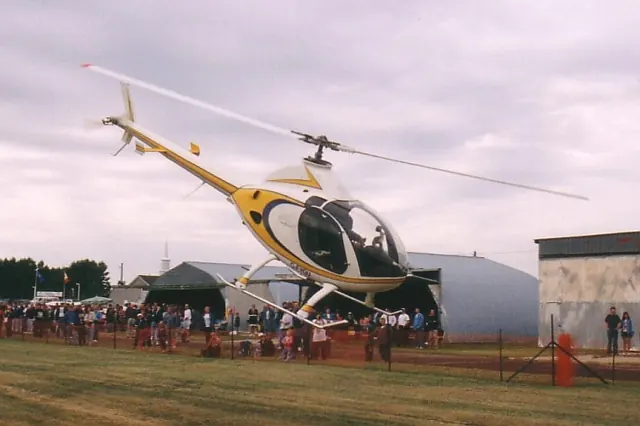
A small two-seat piston helicopter with a two-bladed main rotor.
A six-seat composite single turboprop with a pressurised cabin and retractable gear.
RotorWay's two-seat kit-helicopter family, with piston and turbine simulator interpretations.
The purpose-built Ryan monoplane used by Charles Lindbergh for his 1927 solo Atlantic crossing.
A Polish utility aircraft designed for short takeoffs and landings.
An enlarged Velocity kit aircraft with a canard and rear-mounted pusher propeller.
Diamond's four-seat light twin, developed with diesel-powered versions.
Dassault's long-range Falcon 8X, developed from the three-engine 7X.
A cabin biplane with the lower wing placed ahead of the upper one.
A pressurised single-engine turboprop family that combines a compact cabin with retractable gear.
An advanced trainer known around the world as the Texan, Harvard and SNJ.
A fixed-wing observation aircraft with a helicopter-like view from its glazed nose.
A large amphibious flying boat built around maritime rescue and utility transport.
A three-engine airliner that became a mainstay of Soviet and Russian passenger transport.
A four-engine jetliner that helped establish the shape of long-distance jet travel.
A tailwheel utility single built around a high wing and a substantial working cabin.
A six-engine flying boat created for long-distance passenger travel over water.
A wartime fighter developed from the earlier Curtiss P-36.
A twin-turboprop family whose smaller conventional-tail and larger T-tail branches have distinct identities.
This is AirframeDB’s first release. More features and aircraft research are planned. Leave your email if you’d like occasional updates.