MSFS
Robinson R66 ↗
A five-seat turbine helicopter developed from Robinson's smaller piston-helicopter line.
2 implementations+ Compare
Explore the aircraft. Find your simulator. Follow the sources.
A five-seat turbine helicopter developed from Robinson's smaller piston-helicopter line.
The purpose-built Ryan monoplane used by Charles Lindbergh for his 1927 solo Atlantic crossing.
A low-wing piston family that spans simple trainers, touring aircraft and retractable-gear Arrows.
Piper's PA-31 utility twin, used in commuter, cargo and corporate transport.
A single-seat competition sailplane offered in Standard and 18-metre configurations.
A two-seat naval fighter with variable-sweep wings and a cockpit built around pilot and radar-intercept officer roles.
A six-seat composite single turboprop with a pressurised cabin and retractable gear.
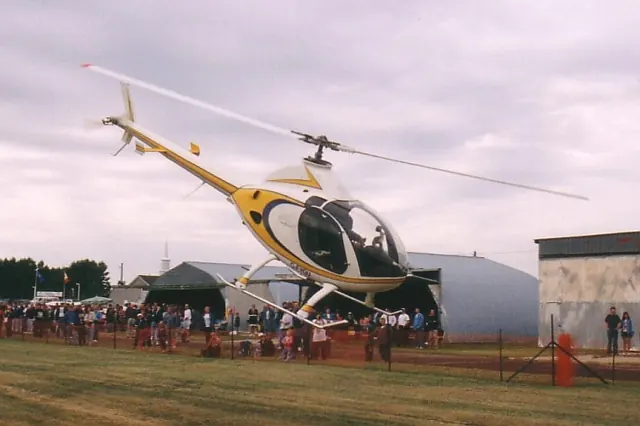
RotorWay's two-seat kit-helicopter family, with piston and turbine simulator interpretations.
A tandem-seat jet trainer that also found a second life in civilian display and racing.
The Stationair utility family, combining a high wing with fixed landing gear.
Tecnam's two-seat, low-wing Sierra, introduced in the early 2000s.
A super-midsize business jet with a swept wing, rear-mounted engines and an integrated glass cockpit.
A compact utility helicopter distinguished by its enclosed Fenestron tail rotor.
A tandem-seat light aircraft with a streamlined low-wing layout.
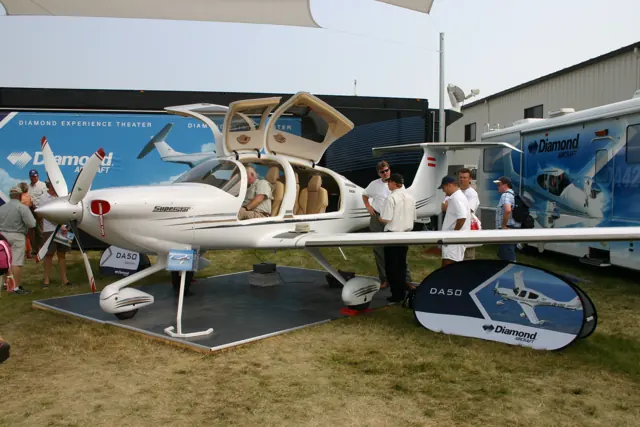
A five-seat composite single whose development led to the diesel DA50 RG.
A Polish utility aircraft designed for short takeoffs and landings.
A wooden touring-aircraft family recognisable by the upward-angled outer wing panels.
A close-air-support aircraft with a straight wing, twin tail and two widely separated jet engines.
A twin-hull flying boat with its engines mounted together above the wing.
A two-seat, twin-engine fighter that served naval and land-based air forces in many roles.
A long-range strategic bomber with a swept wing and eight jet engines in paired pods.
A fixed-wing observation aircraft with a helicopter-like view from its glazed nose.
A jet-powered military transport designed for both strategic loads and tactical airfield access.
The second-generation Harrier, designed around vectored thrust and short-field operation.
This is AirframeDB’s first release. More features and aircraft research are planned. Leave your email if you’d like occasional updates.