MSFS
Velocity XL ↗
An enlarged Velocity kit aircraft with a canard and rear-mounted pusher propeller.
1 implementations+ Compare
Explore the aircraft. Find your simulator. Follow the sources.
An enlarged Velocity kit aircraft with a canard and rear-mounted pusher propeller.
A French two-seat aerobatic trainer with side-by-side seating and a distinctive curved wing outline.
A four-seat high-wing single that spans generations of conventional instruments and glass cockpits.
A cabin-class piston twin designed for commuter, cargo and utility work.
A compact utility helicopter distinguished by its enclosed Fenestron tail rotor.
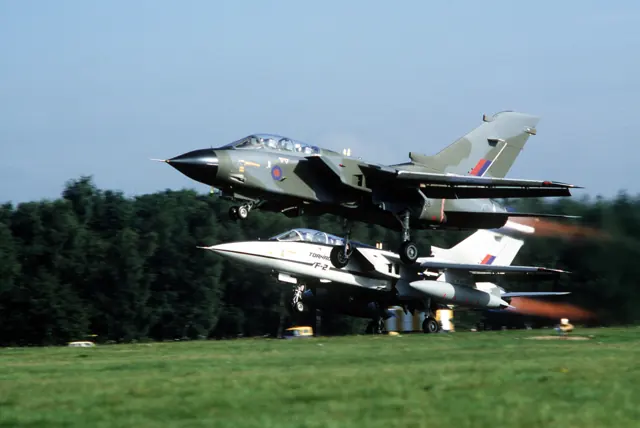
A European variable-sweep combat-aircraft family with distinct strike and interceptor versions.
A compact Italian light twin with a shoulder wing and metal airframe.
A tandem-seat utility aircraft whose light structure and high wing suit bush, towing and recreational work.
A six-engine flying boat created for long-distance passenger travel over water.
A tandem-seat light aircraft with a streamlined low-wing layout.
An open-cockpit biplane trainer that found a second life in civilian flying.
An all-metal sport and touring aircraft from Bayerische Flugzeugwerke.
A twin-radial airliner that helped make practical passenger transport a regular business.
A streamlined light twin helicopter, with the later Bell 230 in the same family.
A four-seat touring family whose Commander 114 added a larger engine and further refinements.
The fixed-gear, six-cylinder touring branch of Piper's PA-28 family.
A two-seat, twin-engine fighter that served naval and land-based air forces in many roles.
A wartime fighter developed from the earlier Curtiss P-36.
A large amphibious flying boat built around maritime rescue and utility transport.
An advanced trainer known around the world as the Texan, Harvard and SNJ.
A five-seat turbine helicopter developed from Robinson's smaller piston-helicopter line.
A four-seat, pressurised kit aircraft with a composite airframe and retractable landing gear.
A 1920s flying boat with two engines arranged in tandem above the wing.
This is AirframeDB’s first release. More features and aircraft research are planned. Leave your email if you’d like occasional updates.