MSFS
Edgley EA-7 Optica ↗
A fixed-wing observation aircraft with a helicopter-like view from its glazed nose.
1 implementations+ Compare
Explore the aircraft. Find your simulator. Follow the sources.
A fixed-wing observation aircraft with a helicopter-like view from its glazed nose.
A wooden touring-aircraft family recognisable by the upward-angled outer wing panels.
A super-midsize business jet with a swept wing, rear-mounted engines and an integrated glass cockpit.
SOCATA's touring-aircraft family, including the Tobago and Trinidad.
A long-haul twin whose family spans passenger, freight and specialist transport roles.
A self-launching sailplane family with its engine inside the fuselage and a folding nose propeller.
Beechcraft's Model 76, designed to introduce pilots to twin-engine flying.
A four-seat composite touring and training aircraft developed from Diamond's smaller two-seater.
A compact Japanese twin turboprop with a high wing and pressurised cabin.
A utility piston twin designed for commuter and specialist transport missions.
A late-1930s cabin aircraft with metal construction and retractable landing gear.
A four-engine jetliner that helped establish the shape of long-distance jet travel.
A fixed-gear twin turboprop with a long history in regional and remote-area transport.
A composite, low-wing touring single with fixed gear and a turbocharged engine.
A British utility twin built around short regional and practical transport work.
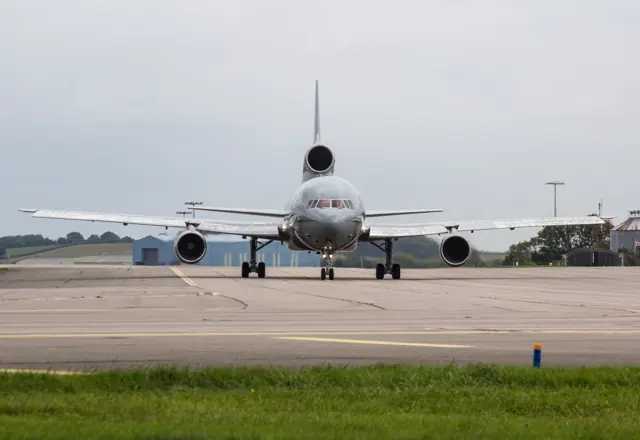
Lockheed's wide-body TriStar, with three RB211 engines and a distinctive tail intake.
A pressurised touring twin whose piston and turbine-conversion versions make a particularly interesting comparison.
A rear-engined trijet built to bring jet service to shorter routes and smaller airports.
A long-range fighter whose different engine and canopy developments produced several distinct forms.
A streamlined twin-engine helicopter with a Fenestron tail rotor and retractable landing gear.
A heavy-lift helicopter built around an open frame and an external working load.
A modern utility single whose family includes both tailwheel and nosewheel configurations.
A four-seat high-wing single that spans generations of conventional instruments and glass cockpits.
A carrier-capable multirole fighter, larger than the earlier Hornet from which it developed.
This is AirframeDB’s first release. More features and aircraft research are planned. Leave your email if you’d like occasional updates.