MSFS
Flight Design CTSL ↗
A two-seat composite light-aircraft family with a high wing and a compact enclosed cabin.
2 implementations+ Compare
Explore the aircraft. Find your simulator. Follow the sources.
A two-seat composite light-aircraft family with a high wing and a compact enclosed cabin.
The four-engine Flying Fortress, a major American bomber of the Second World War.
An enclosed, two-seat autogyro with side-by-side seating and a pusher propeller.
A very light twin jet developed from the Eclipse 500.
A large amphibious flying boat built around maritime rescue and utility transport.
A modern two-seat piston helicopter designed around the training role.
A carrier-capable multirole fighter, larger than the earlier Hornet from which it developed.
The Huey: a turbine-powered utility helicopter with a broad cabin and an unmistakable two-bladed rotor.
A low-wing piston family that spans simple trainers, touring aircraft and retractable-gear Arrows.
A push-pull twin with one engine at each end of the central fuselage.
Cirrus's first type-certified aircraft, a composite piston single.
A small observation-helicopter family with a rounded cabin and compact rotor system.
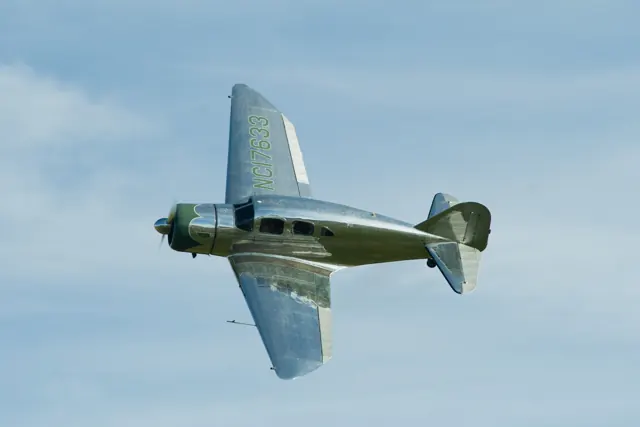
A late-1930s cabin aircraft with metal construction and retractable landing gear.
A stretched development of the DC-9 with rear-mounted engines and a five-abreast cabin.
An Italian light aircraft known for military training and aerobatic use.
A twin-turboprop family whose smaller conventional-tail and larger T-tail branches have distinct identities.
A side-by-side two-seat sailplane with a retractable powerplant for self-launching.
A six-engine flying boat created for long-distance passenger travel over water.
A 1920s transport family that developed from a single-engine airliner into a trimotor.
A very large single-engine biplane designed for practical work from modest airfields.
A Polish utility aircraft designed for short takeoffs and landings.
A two-seat naval fighter with variable-sweep wings and a cockpit built around pilot and radar-intercept officer roles.
A small twin-engine amphibian that moved from business transport into military and utility service.
The second-generation Harrier, designed around vectored thrust and short-field operation.
This is AirframeDB’s first release. More features and aircraft research are planned. Leave your email if you’d like occasional updates.