MSFS
Draco X ↗
The Wilga is the real-aircraft starting point for Mike Patey's DRACO and the simulator's DRACO X.
1 implementations+ Compare
Explore the aircraft. Find your simulator. Follow the sources.
The Wilga is the real-aircraft starting point for Mike Patey's DRACO and the simulator's DRACO X.
A Brazilian light trainer with a high wing, tandem seats and a simple utility layout.
A four-abreast regional-jet family spanning the E170, E175, E190 and E195.
The CJ4 belongs to Cessna's light-jet line, with two rear-mounted engines and a T-tail.
The Huey: a turbine-powered utility helicopter with a broad cabin and an unmistakable two-bladed rotor.
A retractable-gear touring single with an all-metal airframe and a long-lived enthusiast following.
A military transport developed from the DC-3, used for cargo, troops, parachuting and glider towing.
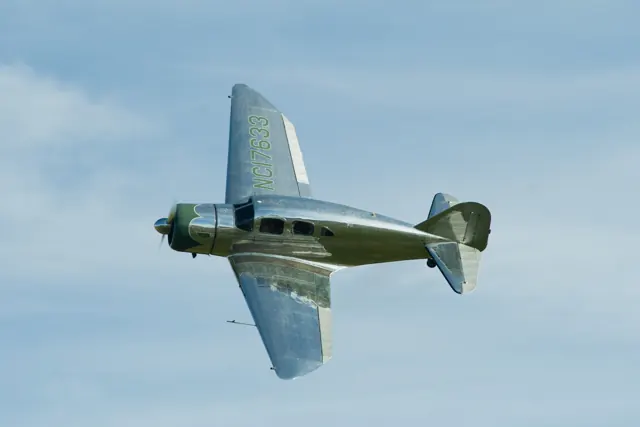
A late-1930s cabin aircraft with metal construction and retractable landing gear.
Epic's experimental light-jet project, represented in simulation by Aerobask.
A pressurised single turboprop with a large cargo door and a broad range of working roles.
A twin-aisle Boeing designed alongside the 757's generation of two-pilot flight decks.
A two-seat training single with a high wing and fixed tricycle landing gear.
A compact two-seat light aircraft with a high wing and a wide range of development variants.
A large twin-radial transport that carried heavy loads through wartime and post-war freight service.
A twin-turboprop family whose smaller conventional-tail and larger T-tail branches have distinct identities.
An all-metal sport and touring aircraft from Bayerische Flugzeugwerke.
A very light twin jet developed from the Eclipse 500.
A small two-seat piston helicopter with a two-bladed main rotor.
An open, single-seat ultralight with its propeller behind the pilot.
A small three-engine demonstrator created to explore technologies for a future supersonic airliner.
A two-seat, twin-engine fighter that served naval and land-based air forces in many roles.
A side-by-side two-seat sailplane with a retractable powerplant for self-launching.
A wooden touring-aircraft family recognisable by the upward-angled outer wing panels.
A Polish utility aircraft designed for short takeoffs and landings.
This is AirframeDB’s first release. More features and aircraft research are planned. Leave your email if you’d like occasional updates.