X-Plane
Schleicher ASK 21 ↗
A tandem two-seat sailplane designed for instruction and broader soaring use.
2 implementations+ Compare
Explore the aircraft. Find your simulator. Follow the sources.
A tandem two-seat sailplane designed for instruction and broader soaring use.
A retractable-gear touring single with an all-metal airframe and a long-lived enthusiast following.
A pressurised twin turboprop with a canard, composite airframe and rear-facing propellers.
A single-seat competition sailplane offered in Standard and 18-metre configurations.
A six-seat composite single turboprop with a pressurised cabin and retractable gear.
A pressurised touring twin whose piston and turbine-conversion versions make a particularly interesting comparison.
A two-seat naval fighter with variable-sweep wings and a cockpit built around pilot and radar-intercept officer roles.
Tecnam's four-seat high-wing single, built with metal and carbon-fibre components.
A small two-seat piston helicopter with a two-bladed main rotor.
A modern medium twin-engine helicopter developed as a successor to the Dauphin line.
A single-seat aerobatic monoplane that also became a familiar air-racing aircraft.
The purpose-built Ryan monoplane used by Charles Lindbergh for his 1927 solo Atlantic crossing.
A stretched development of the DC-9 with rear-mounted engines and a five-abreast cabin.
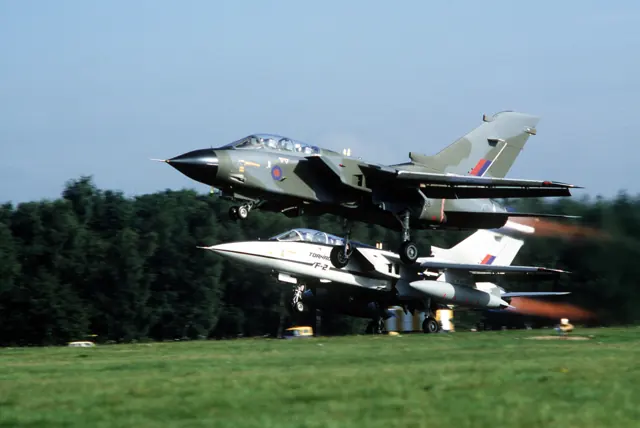
A European variable-sweep combat-aircraft family with distinct strike and interceptor versions.
A composite, low-wing touring single with fixed gear and a turbocharged engine.
A four-seat, pressurised kit aircraft with a composite airframe and retractable landing gear.
An amphibious turboprop designed around scooping water and delivering it to fires.
A compact racing aeroplane built around a large radial engine and very short fuselage.
A short-field Savage with leading-edge slats and a distinct Got Friends simulator implementation.
A four-seat touring family whose Commander 114 added a larger engine and further refinements.
The second-generation Harrier, designed around vectored thrust and short-field operation.
A push-pull twin with one engine at each end of the central fuselage.
A light tandem-seat taildragger built around the familiar braced high-wing layout.
A Canadian tandem-seat trainer developed after the Second World War.
This is AirframeDB’s first release. More features and aircraft research are planned. Leave your email if you’d like occasional updates.