X-Plane
Bombardier Challenger 650 ↗
A wide-cabin business-jet family that developed from Canadair's original Challenger programme.
1 implementations+ Compare
Explore the aircraft. Find your simulator. Follow the sources.
A wide-cabin business-jet family that developed from Canadair's original Challenger programme.
The second-generation Harrier, designed around vectored thrust and short-field operation.
A self-launching sailplane family with its engine inside the fuselage and a folding nose propeller.
A two-seat Tecnam high-wing aircraft combining composite and metal construction.
A four-seat, pressurised kit aircraft with a composite airframe and retractable landing gear.
A four-bladed utility helicopter developed from the LongRanger lineage.
A wartime fighter developed from the earlier Curtiss P-36.
A carbon-fibre aerobatic monoplane family with a dedicated air-racing branch.
A two-seat composite light-aircraft family with a high wing and a compact enclosed cabin.
A four-engine airliner that brought pressurised-cabin travel into scheduled service.
A composite, low-wing touring single with fixed gear and a turbocharged engine.
A utility-aircraft family whose stretched 207 branch trades compact proportions for more cabin space.
A turbine-powered utility helicopter with a broad cabin and a long international service history.
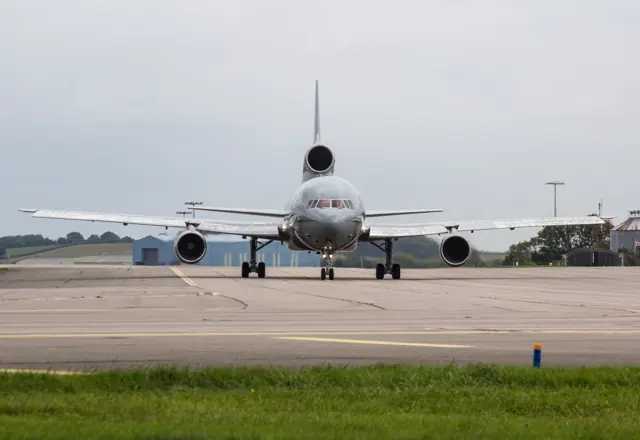
Lockheed's wide-body TriStar, with three RB211 engines and a distinctive tail intake.
The purpose-built Ryan monoplane used by Charles Lindbergh for his 1927 solo Atlantic crossing.
A modern utility single whose family includes both tailwheel and nosewheel configurations.
A light turbine helicopter whose land-based Scout and naval Wasp branches served different jobs.
The H130 utility helicopter, descended from the AS350 and fitted with a Fenestron.
Beechcraft's Model 76, designed to introduce pilots to twin-engine flying.
A composite amphibian that carries Dornier's centreline engine arrangement into the turboprop era.
A tandem two-seat sailplane family used for training and cross-country soaring.
A twin-radial military transport with a rear ramp and short-field design priorities.
The four-engine wide-body whose raised flight deck created one of aviation's most recognisable profiles.
A shorter wide-body Airbus from the transition to two-pilot, electronic-instrument cockpits.
This is AirframeDB’s first release. More features and aircraft research are planned. Leave your email if you’d like occasional updates.