X-Plane
McDonnell Douglas F-4 Phantom II ↗
A two-seat, twin-engine fighter that served naval and land-based air forces in many roles.
2 implementations+ Compare
Explore the aircraft. Find your simulator. Follow the sources.
A two-seat, twin-engine fighter that served naval and land-based air forces in many roles.
A compact Italian light twin with a shoulder wing and metal airframe.
A pressurised touring twin whose piston and turbine-conversion versions make a particularly interesting comparison.
A long-range twin whose programme emphasised composite construction and more electrically powered systems.
Epic's experimental light-jet project, represented in simulation by Aerobask.
An all-metal sport and touring aircraft from Bayerische Flugzeugwerke.
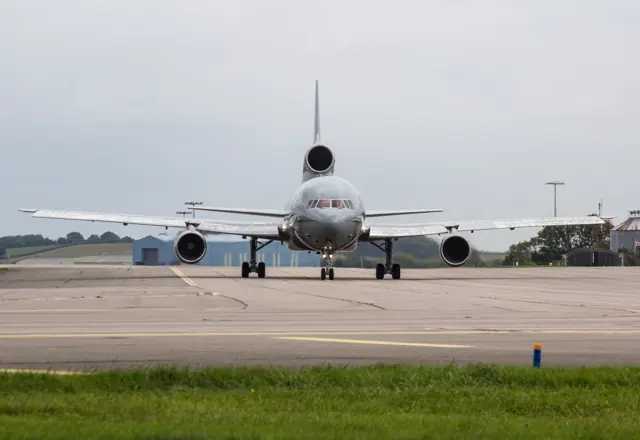
Lockheed's wide-body TriStar, with three RB211 engines and a distinctive tail intake.
A compact Czech touring aircraft with side-by-side seats and a streamlined low-wing airframe.
A modern two-seat piston helicopter designed around the training role.
A 1920s transport family that developed from a single-engine airliner into a trimotor.
The JetRanger and LongRanger family: a familiar turbine-helicopter shape with distinct cabin lengths.
Tecnam's four-seat high-wing single, built with metal and carbon-fibre components.
A vast inter-war flying boat with twelve engines arranged in six paired installations.
A small observation-helicopter family with a rounded cabin and compact rotor system.
A four-seat, pressurised kit aircraft with a composite airframe and retractable landing gear.
A corrugated-metal transport best known in its three-engine form.
A very light twin jet developed from the Eclipse 500.
A heavy-lift helicopter built around an open frame and an external working load.
A light business jet with a swept wing, rear-mounted engines and an integrated flight deck.
The Stationair utility family, combining a high wing with fixed landing gear.
An enclosed-cabin development of the Bell 47, shaped for passenger and executive transport.
A composite amphibian that carries Dornier's centreline engine arrangement into the turboprop era.
The second-generation Harrier, designed around vectored thrust and short-field operation.
A twin-turboprop utility aircraft developed by Reims Aviation with Cessna.
This is AirframeDB’s first release. More features and aircraft research are planned. Leave your email if you’d like occasional updates.