MSFS
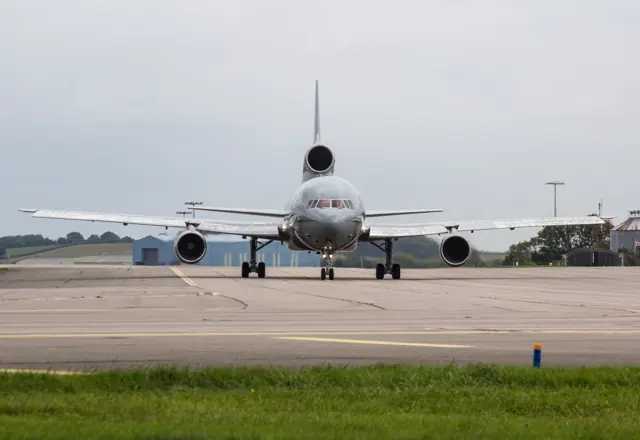
Lockheed L-1011 TriStar ↗
Lockheed's wide-body TriStar, with three RB211 engines and a distinctive tail intake.
1 implementations+ Compare
Explore the aircraft. Find your simulator. Follow the sources.
Lockheed's wide-body TriStar, with three RB211 engines and a distinctive tail intake.
A post-war Czech light twin with a rounded cabin and engines carried on a low wing.
A purpose-built agricultural aircraft that also became a single-engine air tanker.
A wartime fighter developed from the earlier Curtiss P-36.
The four-engine wide-body whose raised flight deck created one of aviation's most recognisable profiles.
A modern utility single whose family includes both tailwheel and nosewheel configurations.
A fixed-wing observation aircraft with a helicopter-like view from its glazed nose.
A heavy-lift helicopter built around an open frame and an external working load.
An advanced trainer known around the world as the Texan, Harvard and SNJ.
A super-midsize business jet with a swept wing, rear-mounted engines and an integrated glass cockpit.
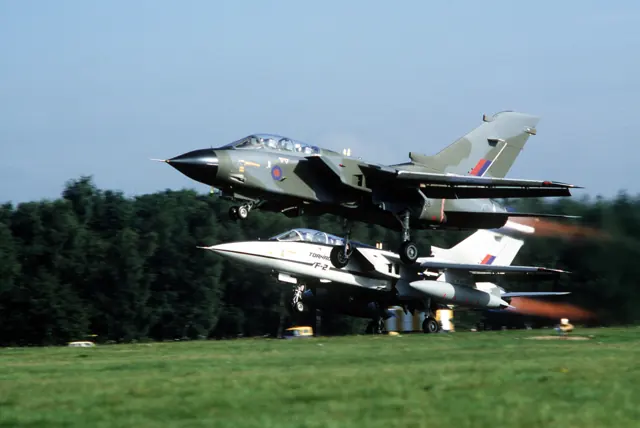
A European variable-sweep combat-aircraft family with distinct strike and interceptor versions.
A pressurised single-engine turboprop family that combines a compact cabin with retractable gear.
A compact Italian light twin with a shoulder wing and metal airframe.
Regional flying built around a high wing, two turboprops and short sectors.
A compact aerobatic biplane family with both single-seat and tandem-seat branches.
A retractable-gear touring single with an all-metal airframe and a long-lived enthusiast following.
A streamlined light twin helicopter, with the later Bell 230 in the same family.
A four-seat high-wing single that spans generations of conventional instruments and glass cockpits.
A huge wooden flying-boat prototype that made one brief flight in 1947.
A radial-engine trainer that also served in combat and civilian warbird roles.
A twin-hull flying boat with its engines mounted together above the wing.
A midsize business jet developed by Bombardier’s Learjet division.
A shorter wide-body Airbus from the transition to two-pilot, electronic-instrument cockpits.
This is AirframeDB’s first release. More features and aircraft research are planned. Leave your email if you’d like occasional updates.