X-Plane
Grumman F-14 Tomcat ↗
A two-seat naval fighter with variable-sweep wings and a cockpit built around pilot and radar-intercept officer roles.
1 implementations+ Compare
Explore the aircraft. Find your simulator. Follow the sources.
A two-seat naval fighter with variable-sweep wings and a cockpit built around pilot and radar-intercept officer roles.
A fixed-wing observation aircraft with a helicopter-like view from its glazed nose.
A compact Italian light twin with a shoulder wing and metal airframe.
A four-bladed utility helicopter developed from the LongRanger lineage.
A box-shaped utility twin whose cabin and rear access are central to its design.
A twin-hull flying boat with its engines mounted together above the wing.
A regional turboprop family whose short early versions and larger Q400 have different proportions and systems.
A close-air-support aircraft with a straight wing, twin tail and two widely separated jet engines.
A large twin-engine helicopter from the Super Puma line, used for offshore and public-service work.
A heavy-lift helicopter built around an open frame and an external working load.
A twin-turboprop utility aircraft developed by Reims Aviation with Cessna.
A stretched development of the DC-9 with rear-mounted engines and a five-abreast cabin.
A two-seat composite kit aircraft developed from the Lancair 320.
A five-seat turbine helicopter developed from Robinson's smaller piston-helicopter line.
A First World War trainer that became a familiar sight in the barnstorming era.
A shorter wide-body Airbus from the transition to two-pilot, electronic-instrument cockpits.
A light turbine helicopter whose land-based Scout and naval Wasp branches served different jobs.
A twin-turboprop family whose smaller conventional-tail and larger T-tail branches have distinct identities.
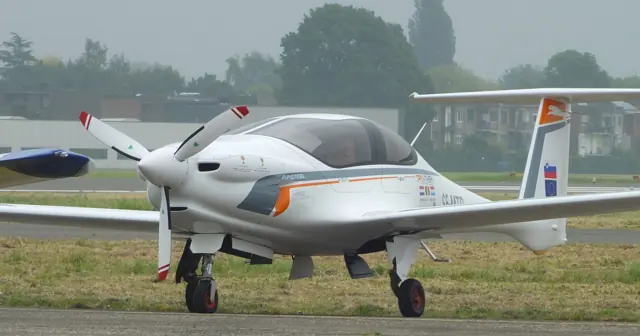
Pipistrel's streamlined four-seat composite-aircraft design.
An enclosed-cabin development of the Bell 47, shaped for passenger and executive transport.
A corrugated-metal, three-engine transport from the formative years of airline travel.
A large long-haul twin that introduced Boeing's first commercial fly-by-wire airliner flight controls.
A four-seat kit-built touring aircraft that expanded the RV family beyond two-seat designs.
A push-pull twin with one engine at each end of the central fuselage.
This is AirframeDB’s first release. More features and aircraft research are planned. Leave your email if you’d like occasional updates.