MSFS
Draco X ↗
The Wilga is the real-aircraft starting point for Mike Patey's DRACO and the simulator's DRACO X.
1 implementations+ Compare
Explore the aircraft. Find your simulator. Follow the sources.
The Wilga is the real-aircraft starting point for Mike Patey's DRACO and the simulator's DRACO X.
A retractable-gear touring single with an all-metal airframe and a long-lived enthusiast following.
A pressurised single turboprop with a large cargo door and a broad range of working roles.
A carbon-fibre aerobatic monoplane family with a dedicated air-racing branch.
A swept-wing business jet designed around high subsonic cruise speed.
A long-range trijet developed from the DC-10 with a stretched fuselage and revised wing and cockpit.
An Italian light aircraft known for military training and aerobatic use.
A pressurised touring twin whose piston and turbine-conversion versions make a particularly interesting comparison.
A wide-cabin business-jet family that developed from Canadair's original Challenger programme.
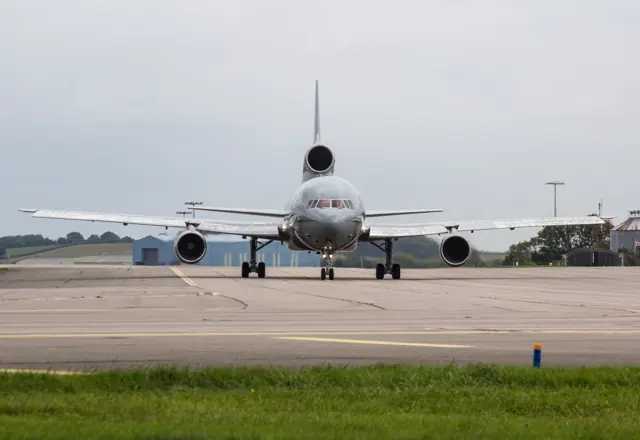
Lockheed's wide-body TriStar, with three RB211 engines and a distinctive tail intake.
A purpose-built agricultural aircraft that also became a single-engine air tanker.
Mooney's four-seat piston family, developed through many touring-aircraft variants.
Piper's PA-31 utility twin, used in commuter, cargo and corporate transport.
A compact aerobatic biplane family with both single-seat and tandem-seat branches.
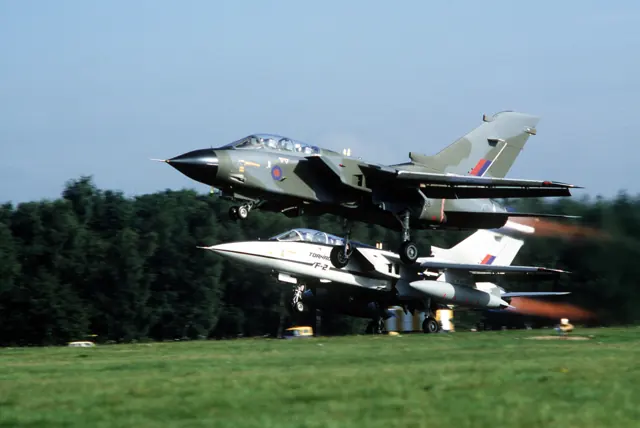
A European variable-sweep combat-aircraft family with distinct strike and interceptor versions.
A long-range twin designed around a new wide-body airframe and extensive composite construction.
A six-engine heavy transport created for exceptionally large external and internal loads.
A pressurised single-engine turboprop family that combines a compact cabin with retractable gear.
An unpowered military cargo glider designed to deliver troops and equipment behind a tow aircraft.
A two-seat, twin-engine fighter that served naval and land-based air forces in many roles.
A huge wooden flying-boat prototype that made one brief flight in 1947.
A twin-aisle Boeing designed alongside the 757's generation of two-pilot flight decks.
A stretched development of the DC-9 with rear-mounted engines and a five-abreast cabin.
The CJ4 belongs to Cessna's light-jet line, with two rear-mounted engines and a T-tail.
This is AirframeDB’s first release. More features and aircraft research are planned. Leave your email if you’d like occasional updates.