MSFS X-Plane
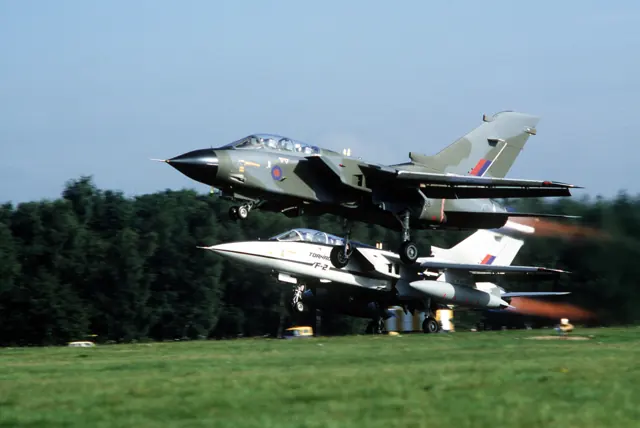
Panavia Tornado ↗
A European variable-sweep combat-aircraft family with distinct strike and interceptor versions.
2 implementations+ Compare
Explore the aircraft. Find your simulator. Follow the sources.
A European variable-sweep combat-aircraft family with distinct strike and interceptor versions.
A utility piston twin designed for commuter and specialist transport missions.
A pioneering all-metal transport with an enclosed passenger cabin and corrugated skin.
An open, single-seat ultralight with its propeller behind the pilot.
A retractable-gear touring single with an all-metal airframe and a long-lived enthusiast following.
A shorter wide-body Airbus from the transition to two-pilot, electronic-instrument cockpits.
A large twin-engine helicopter from the Super Puma line, used for offshore and public-service work.
A six-engine heavy transport created for exceptionally large external and internal loads.
Beechcraft's Model 76, designed to introduce pilots to twin-engine flying.
Two related Dutch regional jets developed from the F28 lineage.
A small observation-helicopter family with a rounded cabin and compact rotor system.
A long-range strategic bomber with a swept wing and eight jet engines in paired pods.
A four-abreast regional-jet family spanning the E170, E175, E190 and E195.
An open-cockpit biplane trainer that found a second life in civilian flying.
A long-range fighter whose different engine and canopy developments produced several distinct forms.
A streamlined twin-engine helicopter with a Fenestron tail rotor and retractable landing gear.
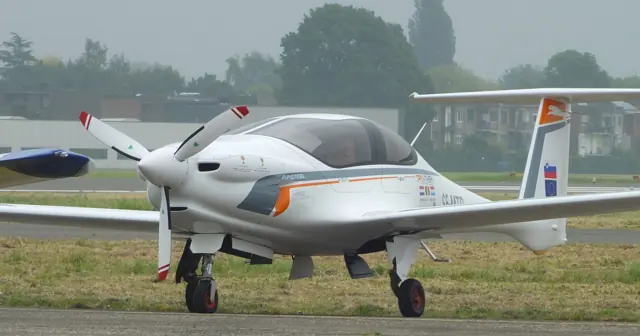
Pipistrel's streamlined four-seat composite-aircraft design.
SOCATA's touring-aircraft family, including the Tobago and Trinidad.
A compact Japanese twin turboprop with a high wing and pressurised cabin.
A cabin-class piston twin designed for commuter, cargo and utility work.
A short-field Savage with leading-edge slats and a distinct Got Friends simulator implementation.
A military transport developed from the DC-3, used for cargo, troops, parachuting and glider towing.
The purpose-built Ryan monoplane used by Charles Lindbergh for his 1927 solo Atlantic crossing.
A twin-radial military transport with a rear ramp and short-field design priorities.
This is AirframeDB’s first release. More features and aircraft research are planned. Leave your email if you’d like occasional updates.