MSFS X-Plane
Airbus H125 ↗
A single-engine utility helicopter known as the Écureuil, Squirrel and AStar.
3 implementations+ Compare
Explore the aircraft. Find your simulator. Follow the sources.
A single-engine utility helicopter known as the Écureuil, Squirrel and AStar.
Beechcraft's Model 76, designed to introduce pilots to twin-engine flying.
A twin-aisle Boeing designed alongside the 757's generation of two-pilot flight decks.
Avro's delta-wing bomber, developed for Britain's postwar strategic force.
A twin-turbine Huey descendant with a four-blade main rotor.
A modern composite twin with a roomy cabin and two wing-mounted piston engines.
A British jet trainer with tandem seating and a long military training career.
A two-seat, twin-engine fighter that served naval and land-based air forces in many roles.
A Canadian tandem-seat trainer developed after the Second World War.
A light business jet with a swept wing, rear-mounted engines and an integrated flight deck.
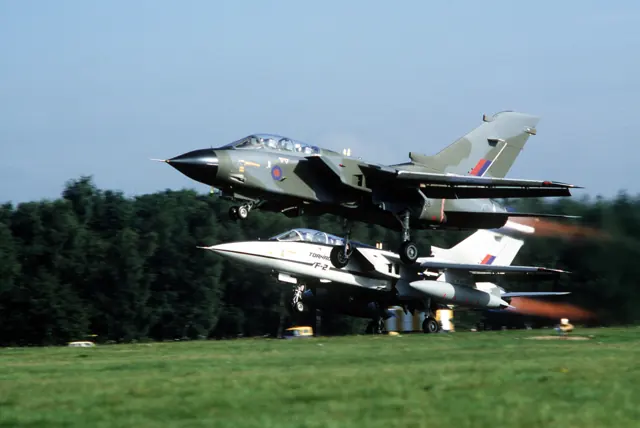
A European variable-sweep combat-aircraft family with distinct strike and interceptor versions.
A push-pull twin with one engine at each end of the central fuselage.
A long-range trijet developed from the DC-10 with a stretched fuselage and revised wing and cockpit.
The four-engine Flying Fortress, a major American bomber of the Second World War.
SOCATA's touring-aircraft family, including the Tobago and Trinidad.
A radial-engine trainer that also served in combat and civilian warbird roles.
A high-wing utility aircraft known for short-field work and a broad choice of working configurations.
Piper's two-seat trainer with fixed tricycle landing gear.
A stretched development of the DC-9 with rear-mounted engines and a five-abreast cabin.
A two-seat composite trainer with a low wing and a large canopy.
A pressurised single-engine turboprop family that combines a compact cabin with retractable gear.
A long-range strategic bomber with a swept wing and eight jet engines in paired pods.
A composite, low-wing touring single with fixed gear and a turbocharged engine.
A twin-turboprop family whose smaller conventional-tail and larger T-tail branches have distinct identities.
This is AirframeDB’s first release. More features and aircraft research are planned. Leave your email if you’d like occasional updates.