MSFS
De Havilland Canada DHC-6 Twin Otter ↗
A fixed-gear twin turboprop with a long history in regional and remote-area transport.
1 implementations+ Compare
Explore the aircraft. Find your simulator. Follow the sources.
A fixed-gear twin turboprop with a long history in regional and remote-area transport.
A five-seat turbine helicopter developed from Robinson's smaller piston-helicopter line.
The Model 525 CitationJet, the starting point of Cessna's CJ and M2 lineage.
A Swedish reconnaissance and dive-bombing aircraft from the early 1940s.
A two-seat composite kit aircraft developed from the Lancair 320.
A light tandem-seat taildragger built around the familiar braced high-wing layout.
A twin-radial airliner that helped make practical passenger transport a regular business.
An Italian light aircraft known for military training and aerobatic use.
A military transport developed from the DC-3, used for cargo, troops, parachuting and glider towing.
A compact utility helicopter distinguished by its enclosed Fenestron tail rotor.
A Brazilian light trainer with a high wing, tandem seats and a simple utility layout.
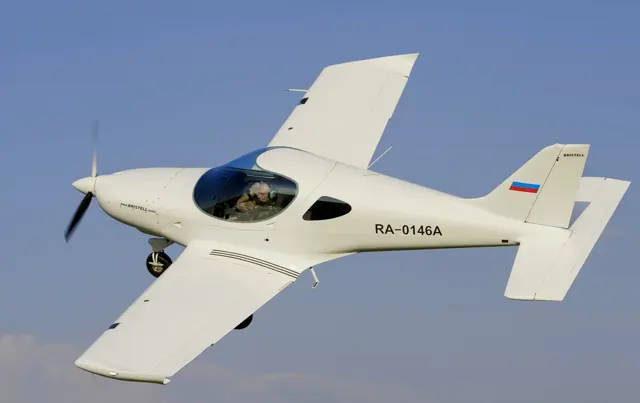
BRM Aero's two-seat B23, represented in MSFS by Airfoillabs.
A pioneering light helicopter whose bubble cabin and exposed structure became widely recognisable.
A four-bladed utility helicopter developed from the LongRanger lineage.
A modern utility single whose family includes both tailwheel and nosewheel configurations.
A Polish utility aircraft designed for short takeoffs and landings.
The Mitchell medium bomber, named for aviation advocate Billy Mitchell.
A DC-10-derived tanker that combined aerial refuelling with passenger and cargo transport.
The Stationair utility family, combining a high wing with fixed landing gear.
SOCATA's touring-aircraft family, including the Tobago and Trinidad.
A corrugated-metal, three-engine transport from the formative years of airline travel.
A post-war Businessliner with a radial engine, cabin transport ambitions and tailwheel gear.
A high-wing utility aircraft known for short-field work and a broad choice of working configurations.
A push-pull twin with one engine at each end of the central fuselage.
This is AirframeDB’s first release. More features and aircraft research are planned. Leave your email if you’d like occasional updates.