MSFS
De Havilland Canada CL-415 ↗
An amphibious turboprop designed around scooping water and delivering it to fires.
1 implementations+ Compare
Explore the aircraft. Find your simulator. Follow the sources.
An amphibious turboprop designed around scooping water and delivering it to fires.
A compact twin-engine transport helicopter with retractable gear and a long development history.
A radial-engined light transport whose long career covered passengers, freight and military training.
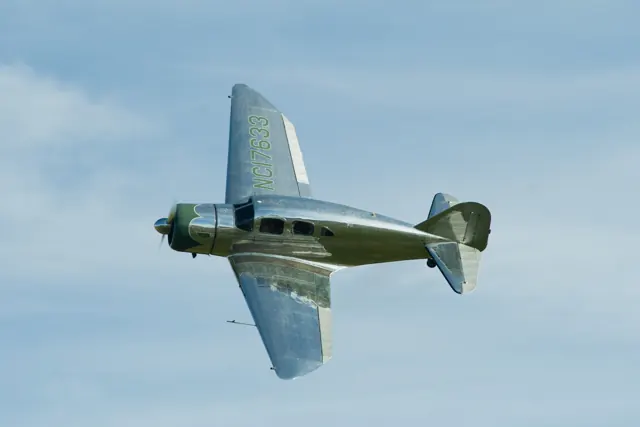
A late-1930s cabin aircraft with metal construction and retractable landing gear.
A compact twin-engine helicopter widely used for medical, police and training work.
A twin-radial airliner that helped make practical passenger transport a regular business.
A twin-engine business jet designed to retain some of the utility flexibility associated with the PC-12.
A long-range twin designed around a new wide-body airframe and extensive composite construction.
A compact racing aeroplane built around a large radial engine and very short fuselage.
A wide-cabin business-jet family that developed from Canadair's original Challenger programme.
A two-seat composite trainer with a low wing and a large canopy.
A four-engine airliner whose history also includes long-range maritime military service.
A First World War trainer that became a familiar sight in the barnstorming era.
A compact Japanese twin turboprop with a high wing and pressurised cabin.
A personal jet with one engine above the rear fuselage and a distinctive V-tail.
A pressurised single-engine turboprop family that combines a compact cabin with retractable gear.
A wooden touring-aircraft family recognisable by the upward-angled outer wing panels.
A four-engine Airbus wide-body developed in parallel with the A330.
An enclosed-cabin development of the Bell 47, shaped for passenger and executive transport.
A four-bladed utility helicopter developed from the LongRanger lineage.
Regional flying built around a high wing, two turboprops and short sectors.
A long-running touring single, familiar in both V-tail and conventional-tail forms.
A purpose-built aerobatic monoplane family developed by pilot and designer Walter Extra.
A twin-turbine Huey descendant with a four-blade main rotor.
This is AirframeDB’s first release. More features and aircraft research are planned. Leave your email if you’d like occasional updates.