MSFS
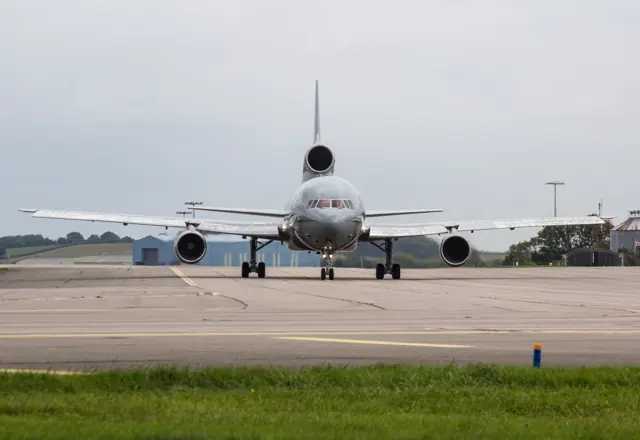
Lockheed L-1011 TriStar ↗
Lockheed's wide-body TriStar, with three RB211 engines and a distinctive tail intake.
1 implementations+ Compare
Explore the aircraft. Find your simulator. Follow the sources.
Lockheed's wide-body TriStar, with three RB211 engines and a distinctive tail intake.
A lightweight pusher family with an enclosed cabin and a high, braced wing.
A specialised reconnaissance aircraft designed for very high altitude and sustained supersonic flight.
A box-shaped utility twin whose cabin and rear access are central to its design.
A two-seat, twin-engine fighter that served naval and land-based air forces in many roles.
A self-launching sailplane family with its engine inside the fuselage and a folding nose propeller.
A tandem-seat light aircraft with a streamlined low-wing layout.
A hybrid-electric regional-airliner concept represented in the simulator while the real programme develops.
A high-wing twin turboprop developed for regional freight and passenger transport.
A 1920s flying boat with two engines arranged in tandem above the wing.
A compact utility helicopter distinguished by its enclosed Fenestron tail rotor.
A two-seat composite kit aircraft developed from the Lancair 320.
A wartime fighter developed from the earlier Curtiss P-36.
A compact aerobatic biplane family with both single-seat and tandem-seat branches.
A family of single-aisle airliners built around sidesticks, electronic flight controls and a shared cockpit.
A four-seat composite touring and training aircraft developed from Diamond's smaller two-seater.
A stretched development of the DC-9 with rear-mounted engines and a five-abreast cabin.
A two-seat Tecnam high-wing aircraft combining composite and metal construction.
A cabin biplane with the lower wing placed ahead of the upper one.
A post-war Businessliner with a radial engine, cabin transport ambitions and tailwheel gear.
A long-range strategic bomber with a swept wing and eight jet engines in paired pods.
A jet-powered military transport designed for both strategic loads and tactical airfield access.
A close-air-support aircraft with a straight wing, twin tail and two widely separated jet engines.
A modern medium twin-engine helicopter developed as a successor to the Dauphin line.
This is AirframeDB’s first release. More features and aircraft research are planned. Leave your email if you’d like occasional updates.



























