X-Plane
Vans Aircraft RV-10 ↗
A four-seat kit-built touring aircraft that expanded the RV family beyond two-seat designs.
1 implementations+ Compare
Explore the aircraft. Find your simulator. Follow the sources.
A four-seat kit-built touring aircraft that expanded the RV family beyond two-seat designs.
A very light twin jet developed from the Eclipse 500.
A long-range strategic bomber with a swept wing and eight jet engines in paired pods.
Mooney's four-seat piston family, developed through many touring-aircraft variants.
The Mitchell medium bomber, named for aviation advocate Billy Mitchell.
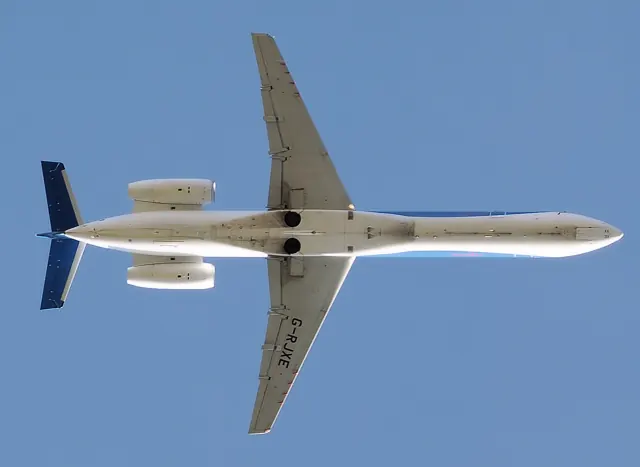
Embraer's regional-jet family, from the ERJ 135 to the longer ERJ 145.
A Polish utility aircraft designed for short takeoffs and landings.
The Stationair utility family, combining a high wing with fixed landing gear.
TorqueSim's Pocket Rocket, a simulated PT6-powered light aircraft with two gear layouts.
A two-seat composite kit aircraft developed from the Lancair 320.
A compact Italian light twin with a shoulder wing and metal airframe.
Cirrus's first type-certified aircraft, a composite piston single.
A twin-turbine Huey descendant with a four-blade main rotor.
A tandem-seat light aircraft with a streamlined low-wing layout.
The Model 525 CitationJet, the starting point of Cessna's CJ and M2 lineage.
A military liaison aircraft built around a high wing, tandem cabin and short-field utility work.
A wide-cabin business-jet family that developed from Canadair's original Challenger programme.
The four-engine Flying Fortress, a major American bomber of the Second World War.
A pressurised single-engine turboprop family that combines a compact cabin with retractable gear.
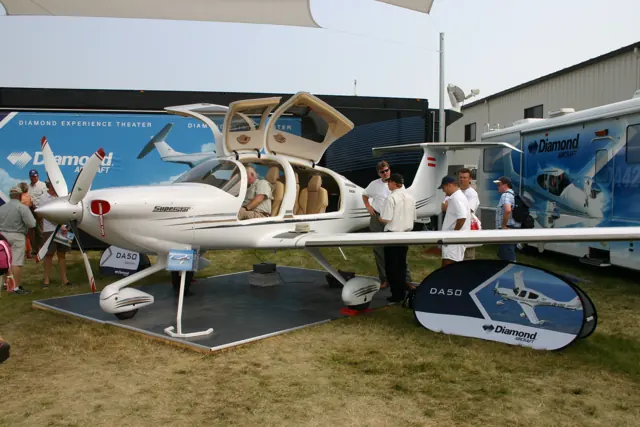
A five-seat composite single whose development led to the diesel DA50 RG.
Avro's delta-wing bomber, developed for Britain's postwar strategic force.
A single-engine utility helicopter known as the Écureuil, Squirrel and AStar.
The four-engine wide-body whose raised flight deck created one of aviation's most recognisable profiles.
A heavy transport helicopter whose two large rotors remove the need for a tail rotor.
This is AirframeDB’s first release. More features and aircraft research are planned. Leave your email if you’d like occasional updates.