MSFS X-Plane
Robin DR400/100 Cadet ↗
A wooden touring-aircraft family recognisable by the upward-angled outer wing panels.
5 implementations+ Compare
Explore the aircraft. Find your simulator. Follow the sources.
A wooden touring-aircraft family recognisable by the upward-angled outer wing panels.
TorqueSim's Pocket Rocket, a simulated PT6-powered light aircraft with two gear layouts.
A four-engine jetliner that helped establish the shape of long-distance jet travel.
A two-seat composite trainer with a low wing and a large canopy.
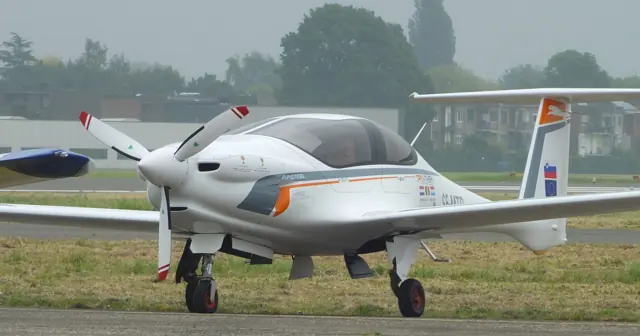
Pipistrel's streamlined four-seat composite-aircraft design.
A single-engine utility helicopter known as the Écureuil, Squirrel and AStar.
A two-seat composite light-aircraft family with a high wing and a compact enclosed cabin.
A full-length double-deck airliner built for very high passenger capacity.
A two-seat, twin-engine fighter that served naval and land-based air forces in many roles.
A long-running touring single, familiar in both V-tail and conventional-tail forms.
A large twin-radial transport that carried heavy loads through wartime and post-war freight service.
A specialised reconnaissance aircraft designed for very high altitude and sustained supersonic flight.
A four-seat touring family whose Commander 114 added a larger engine and further refinements.
An Italian light aircraft known for military training and aerobatic use.
A low-wing piston twin that carries the Beechcraft touring-aircraft lineage into two-engine flying.
A radial-engined light transport whose long career covered passengers, freight and military training.
A post-war Czech light twin with a rounded cabin and engines carried on a low wing.
The purpose-built Ryan monoplane used by Charles Lindbergh for his 1927 solo Atlantic crossing.
A two-seat training single with a high wing and fixed tricycle landing gear.
A twin-engine business jet designed to retain some of the utility flexibility associated with the PC-12.
A turbine-powered utility helicopter with a broad cabin and a long international service history.
A streamlined twin-engine helicopter with a Fenestron tail rotor and retractable landing gear.
A push-pull twin with one engine at each end of the central fuselage.
The Model 525 CitationJet, the starting point of Cessna's CJ and M2 lineage.
This is AirframeDB’s first release. More features and aircraft research are planned. Leave your email if you’d like occasional updates.