X-Plane
Aero-Works Aerolite 103 ↗
An open, single-seat ultralight with its propeller behind the pilot.
2 implementations+ Compare
Explore the aircraft. Find your simulator. Follow the sources.
An open, single-seat ultralight with its propeller behind the pilot.
The purpose-built Ryan monoplane used by Charles Lindbergh for his 1927 solo Atlantic crossing.
A pressurised touring twin whose piston and turbine-conversion versions make a particularly interesting comparison.
A small observation-helicopter family with a rounded cabin and compact rotor system.
A side-by-side two-seat sailplane with a retractable powerplant for self-launching.
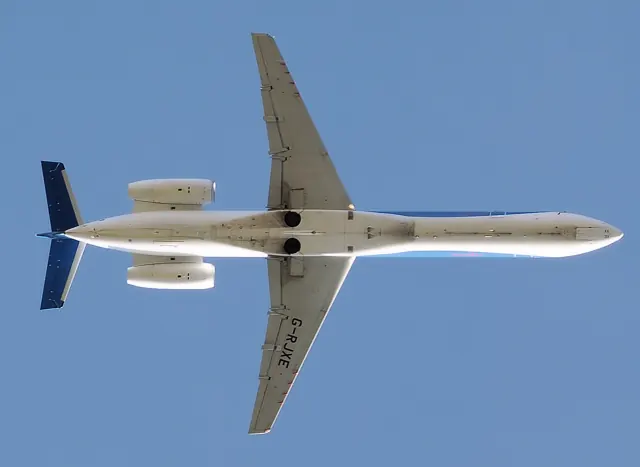
Embraer's regional-jet family, from the ERJ 135 to the longer ERJ 145.
A family of single-aisle airliners built around sidesticks, electronic flight controls and a shared cockpit.
The Model 525 CitationJet, the starting point of Cessna's CJ and M2 lineage.
A single-engine utility helicopter known as the Écureuil, Squirrel and AStar.
A very light twin jet developed from the Eclipse 500.
A French two-seat aerobatic trainer with side-by-side seating and a distinctive curved wing outline.
A twin-radial airliner that helped make practical passenger transport a regular business.
A high-wing twin turboprop developed for regional freight and passenger transport.
A post-war Czech light twin with a rounded cabin and engines carried on a low wing.
A turbine-powered utility helicopter with a broad cabin and a long international service history.
A very large single-engine biplane designed for practical work from modest airfields.
A four-engine Airbus wide-body developed in parallel with the A330.
A wooden touring-aircraft family recognisable by the upward-angled outer wing panels.
A swept-wing business jet designed around high subsonic cruise speed.
A four-engine airliner that brought pressurised-cabin travel into scheduled service.
A streamlined light twin helicopter, with the later Bell 230 in the same family.
A two-seat composite trainer with a low wing and a large canopy.
A fixed-wing observation aircraft with a helicopter-like view from its glazed nose.
This is AirframeDB’s first release. More features and aircraft research are planned. Leave your email if you’d like occasional updates.