MSFS
Bristell B23 ↗
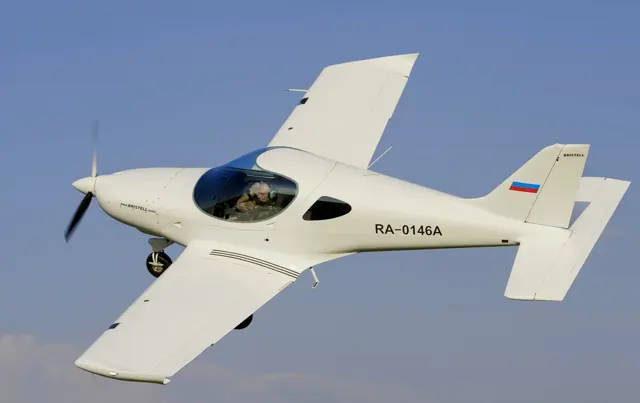
BRM Aero's two-seat B23, represented in MSFS by Airfoillabs.
1 implementations+ Compare
Explore the aircraft. Find your simulator. Follow the sources.
BRM Aero's two-seat B23, represented in MSFS by Airfoillabs.
Regional flying built around a high wing, two turboprops and short sectors.
A Swedish reconnaissance and dive-bombing aircraft from the early 1940s.
An unpowered military cargo glider designed to deliver troops and equipment behind a tow aircraft.
A rear-engined trijet built to bring jet service to shorter routes and smaller airports.
A twin-engine business jet designed to retain some of the utility flexibility associated with the PC-12.
A modern composite twin with a roomy cabin and two wing-mounted piston engines.
A small twin-engine amphibian that moved from business transport into military and utility service.
A retractable-gear touring single with an all-metal airframe and a long-lived enthusiast following.
A four-seat high-wing single that spans generations of conventional instruments and glass cockpits.
A low-wing piston family that spans simple trainers, touring aircraft and retractable-gear Arrows.
A tandem two-seat sailplane designed for instruction and broader soaring use.
The Wilga is the real-aircraft starting point for Mike Patey's DRACO and the simulator's DRACO X.
A four-abreast regional-jet family spanning the E170, E175, E190 and E195.
Two related Dutch regional jets developed from the F28 lineage.
A twin-aisle Boeing designed alongside the 757's generation of two-pilot flight decks.
A fixed-wing observation aircraft with a helicopter-like view from its glazed nose.
A corrugated-metal transport best known in its three-engine form.
A large twin-engine helicopter from the Super Puma line, used for offshore and public-service work.
A long-range twin whose programme emphasised composite construction and more electrically powered systems.
A two-seat light amphibian with a compact boat hull and a pusher propeller.
A single-seat aerobatic monoplane that also became a familiar air-racing aircraft.
A stretched development of the DC-9 with rear-mounted engines and a five-abreast cabin.
Epic's experimental light-jet project, represented in simulation by Aerobask.
This is AirframeDB’s first release. More features and aircraft research are planned. Leave your email if you’d like occasional updates.


























