MSFS
Fokker 70 / 100 ↗
Two related Dutch regional jets developed from the F28 lineage.
1 implementations+ Compare
Explore the aircraft. Find your simulator. Follow the sources.
Two related Dutch regional jets developed from the F28 lineage.
A two-seat, twin-engine fighter that served naval and land-based air forces in many roles.
A twin-turboprop regional airliner developed through Swedish and American industrial cooperation.
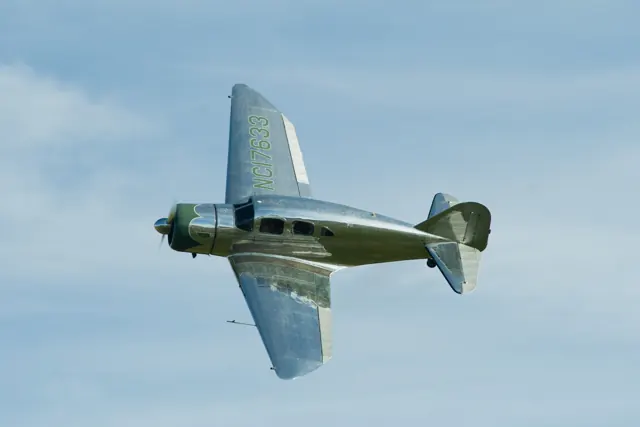
A late-1930s cabin aircraft with metal construction and retractable landing gear.
The Stationair utility family, combining a high wing with fixed landing gear.
A self-launching sailplane family with its engine inside the fuselage and a folding nose propeller.
An open-cockpit biplane trainer that found a second life in civilian flying.
A composite, low-wing touring single with fixed gear and a turbocharged engine.
A compact two-seat light aircraft with a high wing and a wide range of development variants.
A personal jet with one engine above the rear fuselage and a distinctive V-tail.
A military liaison aircraft built around a high wing, tandem cabin and short-field utility work.
A pioneering light helicopter whose bubble cabin and exposed structure became widely recognisable.
The four-engine Flying Fortress, a major American bomber of the Second World War.
A four-seat touring family whose Commander 114 added a larger engine and further refinements.
A twin-engine business jet designed to retain some of the utility flexibility associated with the PC-12.
A four-seat kit-built touring aircraft that expanded the RV family beyond two-seat designs.
A four-engine tactical transport built around a rear loading ramp and access to austere airfields.
A British jet trainer with tandem seating and a long military training career.
A two-seat composite kit aircraft developed from the Lancair 320.
A two-seat naval fighter with variable-sweep wings and a cockpit built around pilot and radar-intercept officer roles.
A super-midsize business jet with a swept wing, rear-mounted engines and an integrated glass cockpit.
A compact utility helicopter distinguished by its enclosed Fenestron tail rotor.
A British utility twin built around short regional and practical transport work.
The fixed-gear, six-cylinder touring branch of Piper's PA-28 family.
This is AirframeDB’s first release. More features and aircraft research are planned. Leave your email if you’d like occasional updates.