MSFS
Westland Scout / Wasp ↗
A light turbine helicopter whose land-based Scout and naval Wasp branches served different jobs.
1 implementations+ Compare
Explore the aircraft. Find your simulator. Follow the sources.
A light turbine helicopter whose land-based Scout and naval Wasp branches served different jobs.
A four-engine airliner whose history also includes long-range maritime military service.
A wooden touring-aircraft family recognisable by the upward-angled outer wing panels.
A two-seat Tecnam high-wing aircraft combining composite and metal construction.
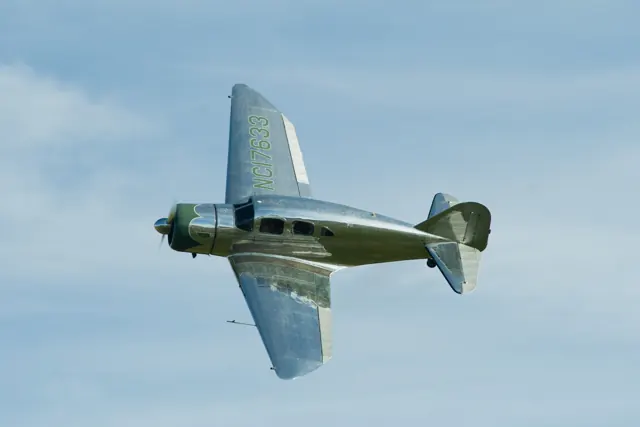
A late-1930s cabin aircraft with metal construction and retractable landing gear.
Diamond's four-seat light twin, developed with diesel-powered versions.
A modern composite twin with a roomy cabin and two wing-mounted piston engines.
A modern two-seat piston helicopter designed around the training role.
Lockheed's tandem-seat Shooting Star jet trainer.
An Italian light aircraft known for military training and aerobatic use.
A single-seat aerobatic monoplane that also became a familiar air-racing aircraft.
A wartime fighter developed from the earlier Curtiss P-36.
Piper's two-seat trainer with fixed tricycle landing gear.
A four-engine airliner that brought pressurised-cabin travel into scheduled service.
A British utility twin built around short regional and practical transport work.
An enlarged Velocity kit aircraft with a canard and rear-mounted pusher propeller.
Beechcraft's Model 76, designed to introduce pilots to twin-engine flying.
A low-wing piston twin that carries the Beechcraft touring-aircraft lineage into two-engine flying.
A fixed-gear twin turboprop with a long history in regional and remote-area transport.
A huge wooden flying-boat prototype that made one brief flight in 1947.
A close-air-support aircraft with a straight wing, twin tail and two widely separated jet engines.
A compact rear-engined jet designed for short-haul regional airline work.
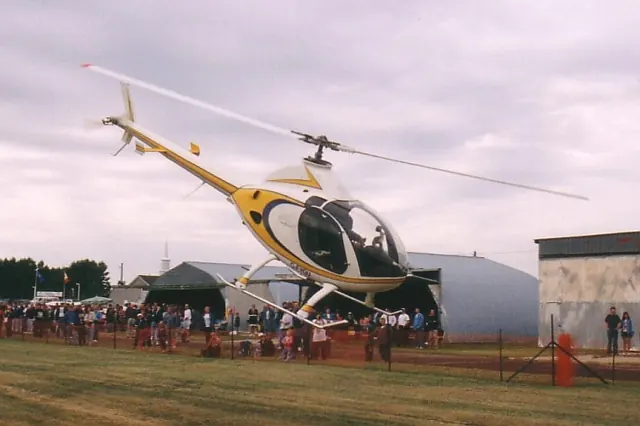
RotorWay's two-seat kit-helicopter family, with piston and turbine simulator interpretations.
A twin-engine utility helicopter with roots in the BK 117 and EC145 families.
This is AirframeDB’s first release. More features and aircraft research are planned. Leave your email if you’d like occasional updates.