MSFS
Saab 340B ↗
A twin-turboprop regional airliner developed through Swedish and American industrial cooperation.
1 implementations+ Compare
Explore the aircraft. Find your simulator. Follow the sources.
A twin-turboprop regional airliner developed through Swedish and American industrial cooperation.
An all-metal sport and touring aircraft from Bayerische Flugzeugwerke.
A six-seat composite single turboprop with a pressurised cabin and retractable gear.
A tandem two-seat sailplane family used for training and cross-country soaring.
A two-seat naval fighter with variable-sweep wings and a cockpit built around pilot and radar-intercept officer roles.
A stretched development of the DC-9 with rear-mounted engines and a five-abreast cabin.
An advanced trainer known around the world as the Texan, Harvard and SNJ.
A radial-engined utility aircraft closely associated with bush flying and float operations.
A fixed-wing observation aircraft with a helicopter-like view from its glazed nose.
Mooney's four-seat piston family, developed through many touring-aircraft variants.
A pioneering all-metal transport with an enclosed passenger cabin and corrugated skin.
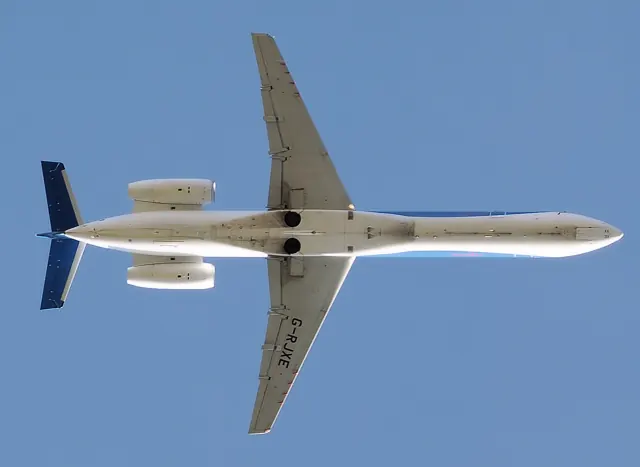
Embraer's regional-jet family, from the ERJ 135 to the longer ERJ 145.
The Stationair utility family, combining a high wing with fixed landing gear.
Cirrus's first type-certified aircraft, a composite piston single.
A small twin-engine amphibian that moved from business transport into military and utility service.
A four-engine Airbus wide-body developed in parallel with the A330.
A long-range twin designed around a new wide-body airframe and extensive composite construction.
A three-engine airliner that became a mainstay of Soviet and Russian passenger transport.
A high-wing twin turboprop developed for regional freight and passenger transport.
A low-wing piston family that spans simple trainers, touring aircraft and retractable-gear Arrows.
A light turbine helicopter whose land-based Scout and naval Wasp branches served different jobs.
A short-haul jet family that evolved through several generations of engines, wings and flight decks.
The second-generation Harrier, designed around vectored thrust and short-field operation.
A very large single-engine biplane designed for practical work from modest airfields.
This is AirframeDB’s first release. More features and aircraft research are planned. Leave your email if you’d like occasional updates.