MSFS X-Plane
Boeing 737 family ↗
A short-haul jet family that evolved through several generations of engines, wings and flight decks.
7 implementations+ Compare
Explore the aircraft. Find your simulator. Follow the sources.
A short-haul jet family that evolved through several generations of engines, wings and flight decks.
A twin-engine utility helicopter with roots in the BK 117 and EC145 families.
A box-shaped utility twin whose cabin and rear access are central to its design.
An open, single-seat ultralight with its propeller behind the pilot.
An amphibious turboprop designed around scooping water and delivering it to fires.
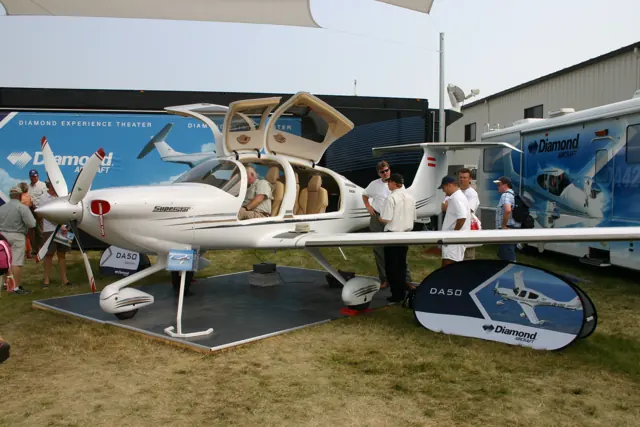
Diamond's four-seat light twin, developed with diesel-powered versions.
A streamlined twin-engine helicopter with a Fenestron tail rotor and retractable landing gear.
A high-wing twin turboprop developed for regional freight and passenger transport.
The second-generation Harrier, designed around vectored thrust and short-field operation.
A compact two-seat light aircraft with a high wing and a wide range of development variants.
A small two-seat piston helicopter with a two-bladed main rotor.
A swept-wing business jet designed around high subsonic cruise speed.
The four-engine Flying Fortress, a major American bomber of the Second World War.
A twin-radial military transport with a rear ramp and short-field design priorities.
A two-seat training single with a high wing and fixed tricycle landing gear.
A close-air-support aircraft with a straight wing, twin tail and two widely separated jet engines.
A five-seat composite single whose development led to the diesel DA50 RG.
An Italian light aircraft known for military training and aerobatic use.
A self-launching sailplane family with its engine inside the fuselage and a folding nose propeller.
An advanced trainer known around the world as the Texan, Harvard and SNJ.
A DC-10-derived tanker that combined aerial refuelling with passenger and cargo transport.
A light business jet with a swept wing, rear-mounted engines and an integrated flight deck.
A stretched development of the DC-9 with rear-mounted engines and a five-abreast cabin.
A two-seat composite kit aircraft developed from the Lancair 320.
This is AirframeDB’s first release. More features and aircraft research are planned. Leave your email if you’d like occasional updates.