MSFS
Bell 47 ↗
A pioneering light helicopter whose bubble cabin and exposed structure became widely recognisable.
1 implementations+ Compare
Explore the aircraft. Find your simulator. Follow the sources.
A pioneering light helicopter whose bubble cabin and exposed structure became widely recognisable.
A wartime fighter developed from the earlier Curtiss P-36.
The Stationair utility family, combining a high wing with fixed landing gear.
A narrow-body twin developed as a new generation of medium-range airliner.
A light tandem-seat taildragger built around the familiar braced high-wing layout.
A twin-radial military transport with a rear ramp and short-field design priorities.
A small three-engine demonstrator created to explore technologies for a future supersonic airliner.
A vast inter-war flying boat with twelve engines arranged in six paired installations.
An open, single-seat ultralight with its propeller behind the pilot.
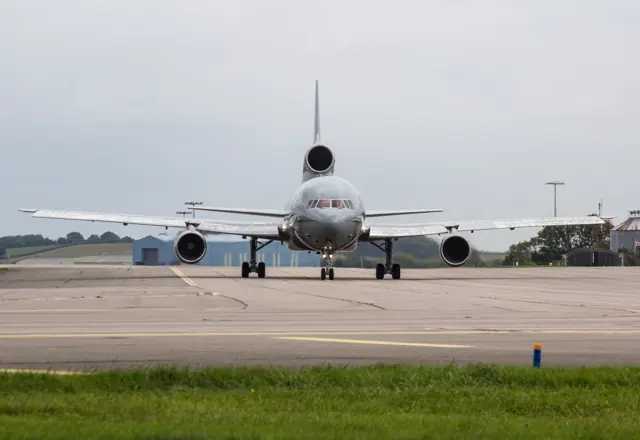
Lockheed's wide-body TriStar, with three RB211 engines and a distinctive tail intake.
A long-range twin designed around a new wide-body airframe and extensive composite construction.
Cirrus's first type-certified aircraft, a composite piston single.
A twin-radial airliner that helped make practical passenger transport a regular business.
A midsize business jet developed by Bombardier’s Learjet division.
A high-wing utility turboprop designed for short-field passenger and cargo work.
The four-engine wide-body whose raised flight deck created one of aviation's most recognisable profiles.
A cabin-class piston twin designed for commuter, cargo and utility work.
An open-cockpit biplane trainer that found a second life in civilian flying.
A streamlined twin-engine helicopter with a Fenestron tail rotor and retractable landing gear.
A low-wing agricultural Cessna with a cockpit and hopper arranged around the job.
A corrugated-metal, three-engine transport from the formative years of airline travel.
A twin-hull flying boat with its engines mounted together above the wing.
A Swedish reconnaissance and dive-bombing aircraft from the early 1940s.
The Wilga is the real-aircraft starting point for Mike Patey's DRACO and the simulator's DRACO X.
This is AirframeDB’s first release. More features and aircraft research are planned. Leave your email if you’d like occasional updates.