MSFS
Robinson R66 ↗
A five-seat turbine helicopter developed from Robinson's smaller piston-helicopter line.
2 implementations+ Compare
Explore the aircraft. Find your simulator. Follow the sources.
A five-seat turbine helicopter developed from Robinson's smaller piston-helicopter line.
A Polish utility aircraft designed for short takeoffs and landings.
An enclosed-cabin development of the Bell 47, shaped for passenger and executive transport.
A military liaison aircraft built around a high wing, tandem cabin and short-field utility work.
A fixed-gear twin turboprop with a long history in regional and remote-area transport.
A British utility twin built around short regional and practical transport work.
A box-shaped utility twin whose cabin and rear access are central to its design.
A single-engine turboprop workhorse for passenger services, freight and remote-area transport.
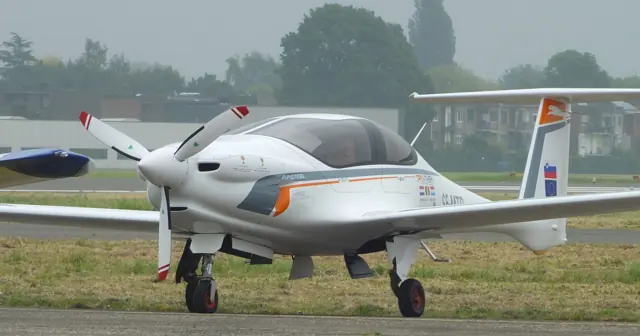
Pipistrel's streamlined four-seat composite-aircraft design.
Beechcraft's Model 76, designed to introduce pilots to twin-engine flying.
A cabin-class piston twin designed for commuter, cargo and utility work.
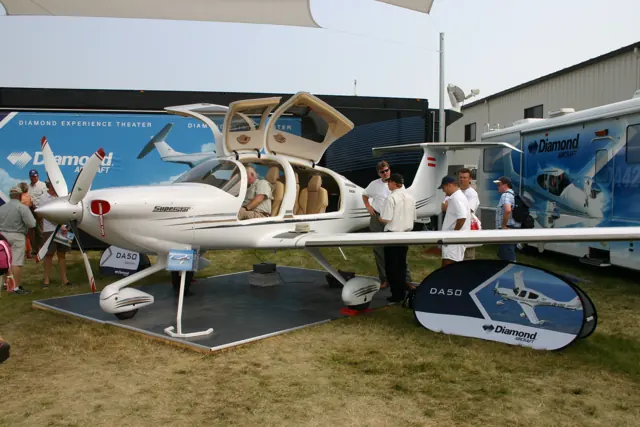
A five-seat composite single whose development led to the diesel DA50 RG.
A six-seat composite single turboprop with a pressurised cabin and retractable gear.
A cabin biplane with the lower wing placed ahead of the upper one.
A Brazilian light trainer with a high wing, tandem seats and a simple utility layout.
A low-wing piston twin that carries the Beechcraft touring-aircraft lineage into two-engine flying.
A family of single-aisle airliners built around sidesticks, electronic flight controls and a shared cockpit.
A utility piston twin designed for commuter and specialist transport missions.
A French two-seat aerobatic trainer with side-by-side seating and a distinctive curved wing outline.
A Canadian tandem-seat trainer developed after the Second World War.
A large twin-radial transport that carried heavy loads through wartime and post-war freight service.
The Mitchell medium bomber, named for aviation advocate Billy Mitchell.
A heavy transport helicopter whose two large rotors remove the need for a tail rotor.
This is AirframeDB’s first release. More features and aircraft research are planned. Leave your email if you’d like occasional updates.