MSFS
Cessna Citation CJ4 ↗
The CJ4 belongs to Cessna's light-jet line, with two rear-mounted engines and a T-tail.
2 implementations+ Compare
Explore the aircraft. Find your simulator. Follow the sources.
The CJ4 belongs to Cessna's light-jet line, with two rear-mounted engines and a T-tail.
A radial-engined light transport whose long career covered passengers, freight and military training.
A heavy-lift helicopter built around an open frame and an external working load.
A streamlined twin-engine helicopter with a Fenestron tail rotor and retractable landing gear.
Tecnam's two-seat, low-wing Sierra, introduced in the early 2000s.
A composite amphibian that carries Dornier's centreline engine arrangement into the turboprop era.
A utility piston twin designed for commuter and specialist transport missions.
A pioneering light helicopter whose bubble cabin and exposed structure became widely recognisable.
A tandem-seat utility aircraft whose light structure and high wing suit bush, towing and recreational work.
Cirrus's first type-certified aircraft, a composite piston single.
A long-range fighter whose different engine and canopy developments produced several distinct forms.
TorqueSim's Pocket Rocket, a simulated PT6-powered light aircraft with two gear layouts.
A pressurised twin turboprop with a canard, composite airframe and rear-facing propellers.
A six-seat composite single turboprop with a pressurised cabin and retractable gear.
A specialised reconnaissance aircraft designed for very high altitude and sustained supersonic flight.
Avro's delta-wing bomber, developed for Britain's postwar strategic force.
A vast inter-war flying boat with twelve engines arranged in six paired installations.
The JetRanger and LongRanger family: a familiar turbine-helicopter shape with distinct cabin lengths.
A swept-wing business jet designed around high subsonic cruise speed.
A lightweight pusher family with an enclosed cabin and a high, braced wing.
A cabin-class piston twin designed for commuter, cargo and utility work.
The purpose-built Ryan monoplane used by Charles Lindbergh for his 1927 solo Atlantic crossing.
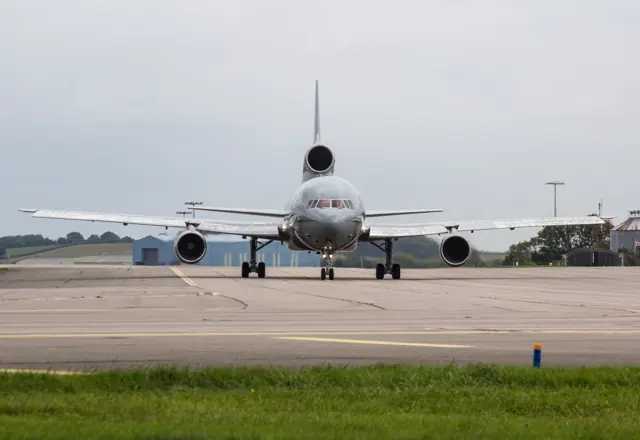
Lockheed's wide-body TriStar, with three RB211 engines and a distinctive tail intake.
A side-by-side two-seat sailplane with a retractable powerplant for self-launching.
This is AirframeDB’s first release. More features and aircraft research are planned. Leave your email if you’d like occasional updates.