MSFS
Velocity XL ↗
An enlarged Velocity kit aircraft with a canard and rear-mounted pusher propeller.
1 implementations+ Compare
Explore the aircraft. Find your simulator. Follow the sources.
An enlarged Velocity kit aircraft with a canard and rear-mounted pusher propeller.
A twin-turboprop family whose smaller conventional-tail and larger T-tail branches have distinct identities.
A pressurised touring twin whose piston and turbine-conversion versions make a particularly interesting comparison.
A small twin-engine amphibian that moved from business transport into military and utility service.
Tecnam's two-seat, low-wing Sierra, introduced in the early 2000s.
A specialised reconnaissance aircraft designed for very high altitude and sustained supersonic flight.
A low-wing piston family that spans simple trainers, touring aircraft and retractable-gear Arrows.
A tandem-seat jet trainer that also found a second life in civilian display and racing.
A wide-cabin business-jet family that developed from Canadair's original Challenger programme.
A four-seat touring family whose Commander 114 added a larger engine and further refinements.
A retractable-gear touring single with an all-metal airframe and a long-lived enthusiast following.
A tandem two-seat sailplane family used for training and cross-country soaring.
Airbus's first production aircraft, built around a twin-engine wide-body layout.
The Model 525 CitationJet, the starting point of Cessna's CJ and M2 lineage.
A stretched development of the DC-9 with rear-mounted engines and a five-abreast cabin.
A four-engine military turboprop designed to combine tactical access with long-distance transport.
A compact two-seat light aircraft with a high wing and a wide range of development variants.
Cessna's unusual piston-powered helicopter, marketed as the Skyhook.
A twin-hull flying boat with its engines mounted together above the wing.
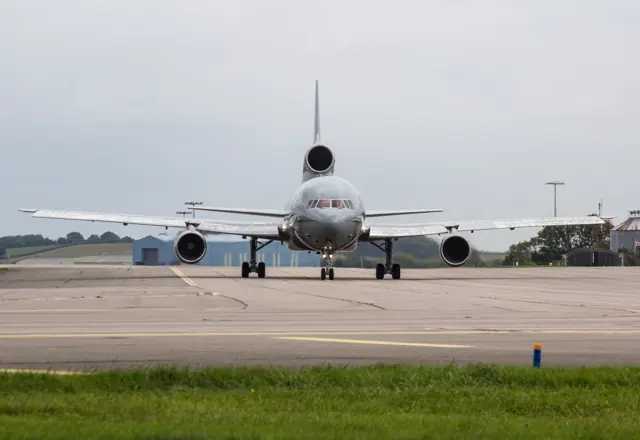
Lockheed's wide-body TriStar, with three RB211 engines and a distinctive tail intake.
A compact Japanese twin turboprop with a high wing and pressurised cabin.
A long-range twin whose programme emphasised composite construction and more electrically powered systems.
A self-launching sailplane family with its engine inside the fuselage and a folding nose propeller.
The second-generation Harrier, designed around vectored thrust and short-field operation.
This is AirframeDB’s first release. More features and aircraft research are planned. Leave your email if you’d like occasional updates.