MSFS
Draco X ↗
The Wilga is the real-aircraft starting point for Mike Patey's DRACO and the simulator's DRACO X.
1 implementations+ Compare
Explore the aircraft. Find your simulator. Follow the sources.
The Wilga is the real-aircraft starting point for Mike Patey's DRACO and the simulator's DRACO X.
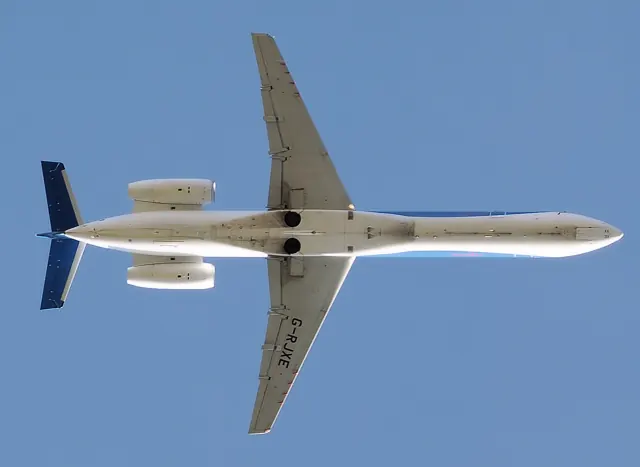
Embraer's regional-jet family, from the ERJ 135 to the longer ERJ 145.
A large twin-engine helicopter from the Super Puma line, used for offshore and public-service work.
A retractable-gear touring single with an all-metal airframe and a long-lived enthusiast following.
A low-wing piston family that spans simple trainers, touring aircraft and retractable-gear Arrows.
A corrugated-metal, three-engine transport from the formative years of airline travel.
A corrugated-metal transport best known in its three-engine form.
A single-engine turboprop workhorse for passenger services, freight and remote-area transport.
A long-range twin whose programme emphasised composite construction and more electrically powered systems.
A hybrid-electric regional-airliner concept represented in the simulator while the real programme develops.
A four-engine tactical transport built around a rear loading ramp and access to austere airfields.
A wooden touring-aircraft family recognisable by the upward-angled outer wing panels.
A family of single-aisle airliners built around sidesticks, electronic flight controls and a shared cockpit.
TorqueSim's Pocket Rocket, a simulated PT6-powered light aircraft with two gear layouts.
A long-range strategic bomber with a swept wing and eight jet engines in paired pods.
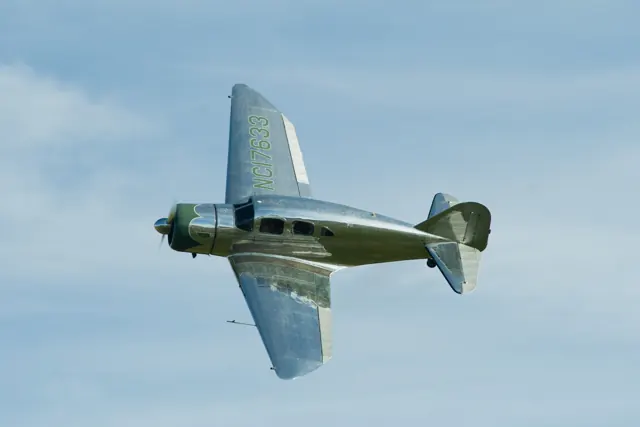
A late-1930s cabin aircraft with metal construction and retractable landing gear.
A Swedish reconnaissance and dive-bombing aircraft from the early 1940s.
A composite touring single with a whole-aircraft parachute and several generations of avionics.
A long-range fighter whose different engine and canopy developments produced several distinct forms.
A pressurised single-engine turboprop family that combines a compact cabin with retractable gear.
A regional jet family with four small engines, a high wing and a large split tail airbrake.
A box-shaped utility twin whose cabin and rear access are central to its design.
A high-wing utility aircraft known for short-field work and a broad choice of working configurations.
The Mitchell medium bomber, named for aviation advocate Billy Mitchell.
This is AirframeDB’s first release. More features and aircraft research are planned. Leave your email if you’d like occasional updates.