X-Plane
Britten-Norman Islander ↗
A British utility twin built around short regional and practical transport work.
2 implementations+ Compare
Explore the aircraft. Find your simulator. Follow the sources.
A British utility twin built around short regional and practical transport work.
A modern utility single whose family includes both tailwheel and nosewheel configurations.
Regional flying built around a high wing, two turboprops and short sectors.
A four-seat high-wing single that spans generations of conventional instruments and glass cockpits.
A twin-engine business jet designed to retain some of the utility flexibility associated with the PC-12.
A twin-turbine Huey descendant with a four-blade main rotor.
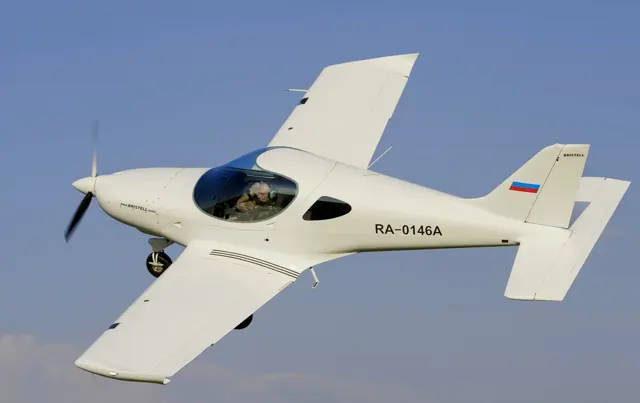
BRM Aero's two-seat B23, represented in MSFS by Airfoillabs.
A long-running touring single, familiar in both V-tail and conventional-tail forms.
An enclosed, two-seat autogyro with side-by-side seating and a pusher propeller.
A midsize business jet developed by Bombardier’s Learjet division.
A family of single-aisle airliners built around sidesticks, electronic flight controls and a shared cockpit.
An open-cockpit biplane trainer that found a second life in civilian flying.
A twin-turboprop family whose smaller conventional-tail and larger T-tail branches have distinct identities.
A twin-engine utility helicopter with roots in the BK 117 and EC145 families.
A large twin-radial transport that carried heavy loads through wartime and post-war freight service.
A compact Japanese twin turboprop with a high wing and pressurised cabin.
A military liaison aircraft built around a high wing, tandem cabin and short-field utility work.
A two-seat naval fighter with variable-sweep wings and a cockpit built around pilot and radar-intercept officer roles.
A First World War trainer that became a familiar sight in the barnstorming era.
A heavy-lift helicopter built around an open frame and an external working load.
An amphibious turboprop designed around scooping water and delivering it to fires.
The JetRanger and LongRanger family: a familiar turbine-helicopter shape with distinct cabin lengths.
A box-shaped utility twin whose cabin and rear access are central to its design.
A 1920s transport family that developed from a single-engine airliner into a trimotor.
This is AirframeDB’s first release. More features and aircraft research are planned. Leave your email if you’d like occasional updates.