MSFS
ICON A5 ↗
A two-seat light amphibian with a compact boat hull and a pusher propeller.
2 implementations+ Compare
Explore the aircraft. Find your simulator. Follow the sources.
A two-seat light amphibian with a compact boat hull and a pusher propeller.
A shorter wide-body Airbus from the transition to two-pilot, electronic-instrument cockpits.
A cabin biplane with the lower wing placed ahead of the upper one.
A light business jet with a swept wing, rear-mounted engines and an integrated flight deck.
An advanced trainer known around the world as the Texan, Harvard and SNJ.
A long-range trijet developed from the DC-10 with a stretched fuselage and revised wing and cockpit.
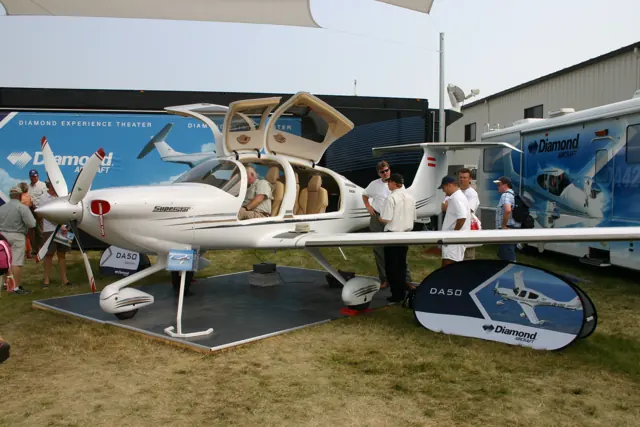
A five-seat composite single whose development led to the diesel DA50 RG.
A large amphibious flying boat built around maritime rescue and utility transport.
A compact Italian light twin with a shoulder wing and metal airframe.
A carbon-fibre aerobatic monoplane family with a dedicated air-racing branch.
A stretched development of the DC-9 with rear-mounted engines and a five-abreast cabin.
A small three-engine demonstrator created to explore technologies for a future supersonic airliner.
A large long-haul twin that introduced Boeing's first commercial fly-by-wire airliner flight controls.
A wooden touring-aircraft family recognisable by the upward-angled outer wing panels.
A regional jet family with four small engines, a high wing and a large split tail airbrake.
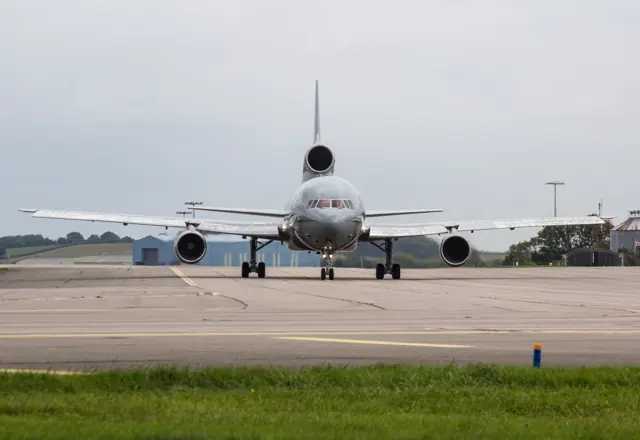
Lockheed's wide-body TriStar, with three RB211 engines and a distinctive tail intake.
A light turbine helicopter whose land-based Scout and naval Wasp branches served different jobs.
A modern composite twin with a roomy cabin and two wing-mounted piston engines.
Beechcraft's Model 76, designed to introduce pilots to twin-engine flying.
A narrow-body twin developed as a new generation of medium-range airliner.
A close-air-support aircraft with a straight wing, twin tail and two widely separated jet engines.
A three-engine airliner that became a mainstay of Soviet and Russian passenger transport.
A long-range twin whose programme emphasised composite construction and more electrically powered systems.
A two-seat composite kit aircraft developed from the Lancair 320.
This is AirframeDB’s first release. More features and aircraft research are planned. Leave your email if you’d like occasional updates.