MSFS
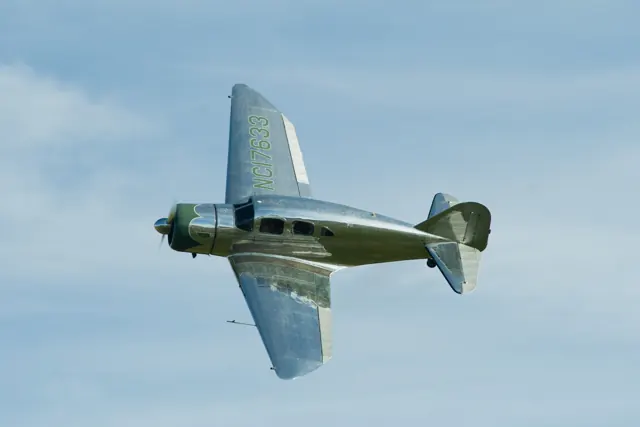
Spartan 7W Executive ↗
A late-1930s cabin aircraft with metal construction and retractable landing gear.
1 implementations+ Compare
Explore the aircraft. Find your simulator. Follow the sources.
A late-1930s cabin aircraft with metal construction and retractable landing gear.
A two-seat composite kit aircraft developed from the Lancair 320.
A corrugated-metal, three-engine transport from the formative years of airline travel.
A cabin biplane with the lower wing placed ahead of the upper one.
A Canadian tandem-seat trainer developed after the Second World War.
A twin-aisle Boeing designed alongside the 757's generation of two-pilot flight decks.
A single-engine turboprop workhorse for passenger services, freight and remote-area transport.
A turbine-powered utility helicopter with a broad cabin and a long international service history.
A utility-aircraft family whose stretched 207 branch trades compact proportions for more cabin space.
A four-engine Airbus wide-body developed in parallel with the A330.
The Wilga is the real-aircraft starting point for Mike Patey's DRACO and the simulator's DRACO X.
Epic's experimental light-jet project, represented in simulation by Aerobask.
Two related Dutch regional jets developed from the F28 lineage.
An unpowered military cargo glider designed to deliver troops and equipment behind a tow aircraft.
A twin-turboprop regional airliner developed through Swedish and American industrial cooperation.
A tandem-seat homebuilt jet with composite construction and retractable landing gear.
A single-seat aerobatic monoplane that also became a familiar air-racing aircraft.
A compact twin-engine helicopter widely used for medical, police and training work.
A four-engine tactical transport built around a rear loading ramp and access to austere airfields.
A two-seat naval fighter with variable-sweep wings and a cockpit built around pilot and radar-intercept officer roles.
A post-war Businessliner with a radial engine, cabin transport ambitions and tailwheel gear.
A regional jet family with four small engines, a high wing and a large split tail airbrake.
A stretched development of the DC-9 with rear-mounted engines and a five-abreast cabin.
A First World War trainer that became a familiar sight in the barnstorming era.
This is AirframeDB’s first release. More features and aircraft research are planned. Leave your email if you’d like occasional updates.
































