MSFS
ICON A5 ↗
A two-seat light amphibian with a compact boat hull and a pusher propeller.
2 implementations+ Compare
Explore the aircraft. Find your simulator. Follow the sources.
A two-seat light amphibian with a compact boat hull and a pusher propeller.
A specialised reconnaissance aircraft designed for very high altitude and sustained supersonic flight.
A very light twin jet developed from the Eclipse 500.
A twin-aisle Boeing designed alongside the 757's generation of two-pilot flight decks.
A twin-radial airliner that helped make practical passenger transport a regular business.
A light business jet with a swept wing, rear-mounted engines and an integrated flight deck.
A large twin-radial transport that carried heavy loads through wartime and post-war freight service.
A military transport developed from the DC-3, used for cargo, troops, parachuting and glider towing.
A modern composite twin with a roomy cabin and two wing-mounted piston engines.
A heavy transport helicopter whose two large rotors remove the need for a tail rotor.
A 1920s transport family that developed from a single-engine airliner into a trimotor.
SOCATA's touring-aircraft family, including the Tobago and Trinidad.
A modern two-seat piston helicopter designed around the training role.
A Swedish reconnaissance and dive-bombing aircraft from the early 1940s.
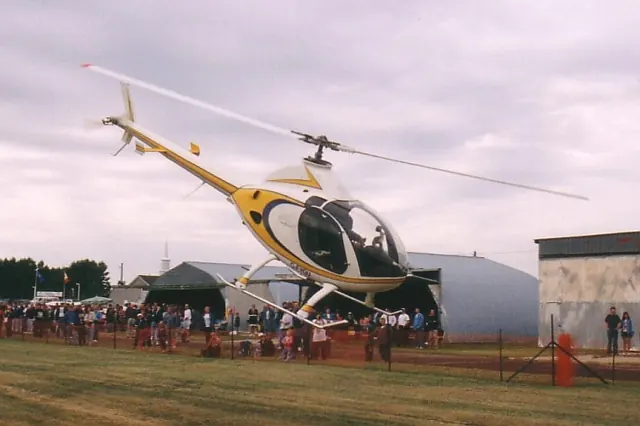
RotorWay's two-seat kit-helicopter family, with piston and turbine simulator interpretations.
A four-seat composite touring and training aircraft developed from Diamond's smaller two-seater.
Piper's two-seat trainer with fixed tricycle landing gear.
A two-seat Tecnam high-wing aircraft combining composite and metal construction.
An Italian light aircraft known for military training and aerobatic use.
A two-seat composite trainer with a low wing and a large canopy.
An enclosed, two-seat autogyro with side-by-side seating and a pusher propeller.
A cabin biplane with the lower wing placed ahead of the upper one.
A long-running touring single, familiar in both V-tail and conventional-tail forms.
A pressurised touring twin whose piston and turbine-conversion versions make a particularly interesting comparison.
This is AirframeDB’s first release. More features and aircraft research are planned. Leave your email if you’d like occasional updates.