MSFS
Pipistrel Virus SW 121 ↗
A compact two-seat light aircraft with a high wing and a wide range of development variants.
2 implementations+ Compare
Explore the aircraft. Find your simulator. Follow the sources.
A compact two-seat light aircraft with a high wing and a wide range of development variants.
A close-air-support aircraft with a straight wing, twin tail and two widely separated jet engines.
Piper's PA-31 utility twin, used in commuter, cargo and corporate transport.
The H130 utility helicopter, descended from the AS350 and fitted with a Fenestron.
A compact Czech touring aircraft with side-by-side seats and a streamlined low-wing airframe.
A single-engine turboprop workhorse for passenger services, freight and remote-area transport.
A twin-hull flying boat with its engines mounted together above the wing.
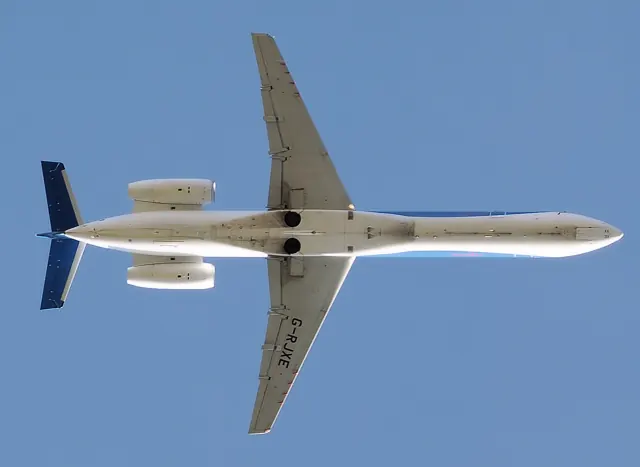
Embraer's regional-jet family, from the ERJ 135 to the longer ERJ 145.
A tandem two-seat sailplane family used for training and cross-country soaring.
A large amphibious flying boat built around maritime rescue and utility transport.
The Wilga is the real-aircraft starting point for Mike Patey's DRACO and the simulator's DRACO X.
A pressurised four-engine piston transport from the last major generation before the jet airliner.
A regional jet family with four small engines, a high wing and a large split tail airbrake.
A fixed-wing observation aircraft with a helicopter-like view from its glazed nose.
A 1920s flying boat with two engines arranged in tandem above the wing.
A very light twin jet developed from the Eclipse 500.
A two-seat naval fighter with variable-sweep wings and a cockpit built around pilot and radar-intercept officer roles.
A compact Japanese twin turboprop with a high wing and pressurised cabin.
A British jet trainer with tandem seating and a long military training career.
A long-range twin whose programme emphasised composite construction and more electrically powered systems.
A 1920s transport family that developed from a single-engine airliner into a trimotor.
The purpose-built Ryan monoplane used by Charles Lindbergh for his 1927 solo Atlantic crossing.
A six-engine heavy transport created for exceptionally large external and internal loads.
A twin-engine business jet designed to retain some of the utility flexibility associated with the PC-12.
This is AirframeDB’s first release. More features and aircraft research are planned. Leave your email if you’d like occasional updates.