X-Plane
De Havilland DHC-1 Chipmunk ↗
A Canadian tandem-seat trainer developed after the Second World War.
1 implementations+ Compare
Explore the aircraft. Find your simulator. Follow the sources.
A Canadian tandem-seat trainer developed after the Second World War.
The Stationair utility family, combining a high wing with fixed landing gear.
A modern composite twin with a roomy cabin and two wing-mounted piston engines.
The Mitchell medium bomber, named for aviation advocate Billy Mitchell.
A long-running touring single, familiar in both V-tail and conventional-tail forms.
Dassault's long-range Falcon 8X, developed from the three-engine 7X.
A two-seat, twin-engine fighter that served naval and land-based air forces in many roles.
The four-engine wide-body whose raised flight deck created one of aviation's most recognisable profiles.
A single-engine utility helicopter known as the Écureuil, Squirrel and AStar.
A very light twin jet developed from the Eclipse 500.
A six-seat composite single turboprop with a pressurised cabin and retractable gear.
Mooney's four-seat piston family, developed through many touring-aircraft variants.
Piper's two-seat trainer with fixed tricycle landing gear.
A regional jet family with four small engines, a high wing and a large split tail airbrake.
SOCATA's touring-aircraft family, including the Tobago and Trinidad.
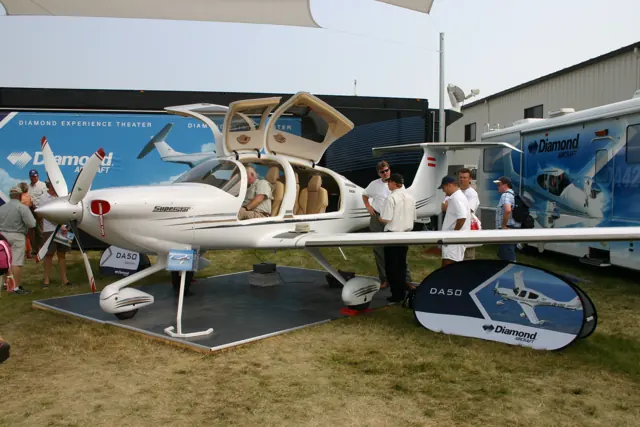
A five-seat composite single whose development led to the diesel DA50 RG.
A tandem two-seat sailplane designed for instruction and broader soaring use.
The four-engine Flying Fortress, a major American bomber of the Second World War.
A three-engine airliner that became a mainstay of Soviet and Russian passenger transport.
A large long-haul twin that introduced Boeing's first commercial fly-by-wire airliner flight controls.
A high-wing utility aircraft known for short-field work and a broad choice of working configurations.
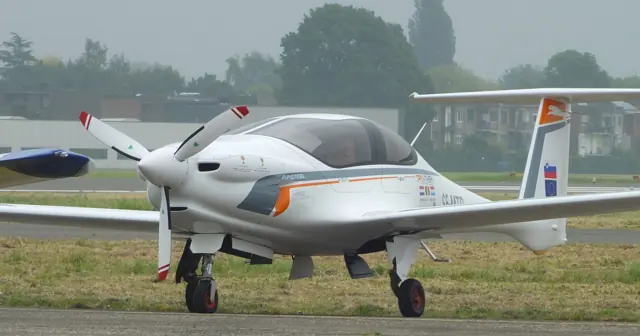
Pipistrel's streamlined four-seat composite-aircraft design.
A British jet trainer with tandem seating and a long military training career.
A heavy transport helicopter whose two large rotors remove the need for a tail rotor.
This is AirframeDB’s first release. More features and aircraft research are planned. Leave your email if you’d like occasional updates.