MSFS
ATR 42-600 / 72-600 ↗
Regional flying built around a high wing, two turboprops and short sectors.
1 implementations+ Compare
Explore the aircraft. Find your simulator. Follow the sources.
Regional flying built around a high wing, two turboprops and short sectors.
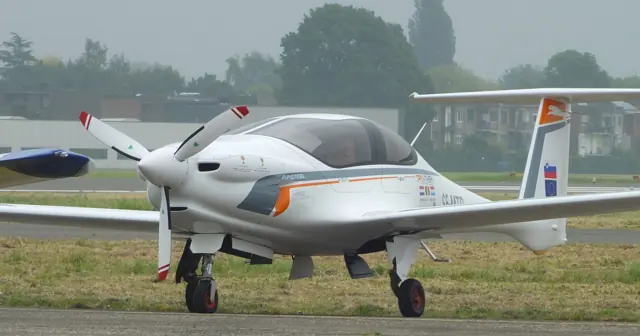
Pipistrel's streamlined four-seat composite-aircraft design.
A six-engine heavy transport created for exceptionally large external and internal loads.
A four-engine airliner that brought pressurised-cabin travel into scheduled service.
A rear-engined trijet built to bring jet service to shorter routes and smaller airports.
A cabin biplane with the lower wing placed ahead of the upper one.
A twin-turboprop regional airliner developed through Swedish and American industrial cooperation.
A push-pull twin with one engine at each end of the central fuselage.
A pressurised twin turboprop with a canard, composite airframe and rear-facing propellers.
The Stationair utility family, combining a high wing with fixed landing gear.
Cessna's unusual piston-powered helicopter, marketed as the Skyhook.
A post-war Businessliner with a radial engine, cabin transport ambitions and tailwheel gear.
A four-seat, pressurised kit aircraft with a composite airframe and retractable landing gear.
A twin-turbine Huey descendant with a four-blade main rotor.
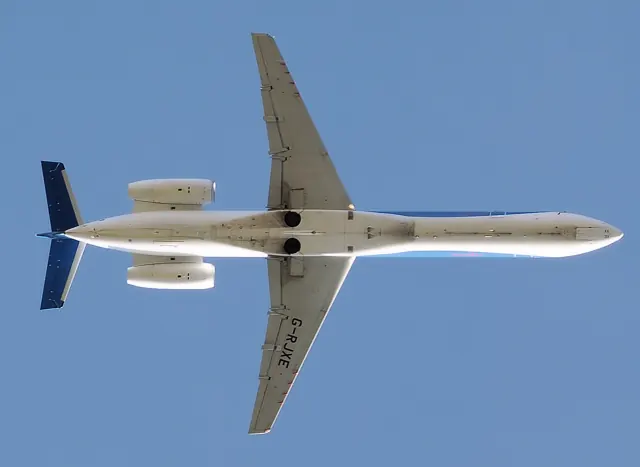
Embraer's regional-jet family, from the ERJ 135 to the longer ERJ 145.
A very light twin jet developed from the Eclipse 500.
A low-wing piston twin that carries the Beechcraft touring-aircraft lineage into two-engine flying.
The second-generation Harrier, designed around vectored thrust and short-field operation.
A small two-seat piston helicopter with a two-bladed main rotor.
Two related Dutch regional jets developed from the F28 lineage.
A long-range fighter whose different engine and canopy developments produced several distinct forms.
The Wilga is the real-aircraft starting point for Mike Patey's DRACO and the simulator's DRACO X.
A wide-cabin business-jet family that developed from Canadair's original Challenger programme.
A vast inter-war flying boat with twelve engines arranged in six paired installations.
This is AirframeDB’s first release. More features and aircraft research are planned. Leave your email if you’d like occasional updates.