MSFS
Fairchild Republic A-10 Thunderbolt II ↗
A close-air-support aircraft with a straight wing, twin tail and two widely separated jet engines.
1 implementations+ Compare
Explore the aircraft. Find your simulator. Follow the sources.
A close-air-support aircraft with a straight wing, twin tail and two widely separated jet engines.
Airbus's first production aircraft, built around a twin-engine wide-body layout.
A high-wing twin turboprop developed for regional freight and passenger transport.
The Stationair utility family, combining a high wing with fixed landing gear.
Lockheed's tandem-seat Shooting Star jet trainer.
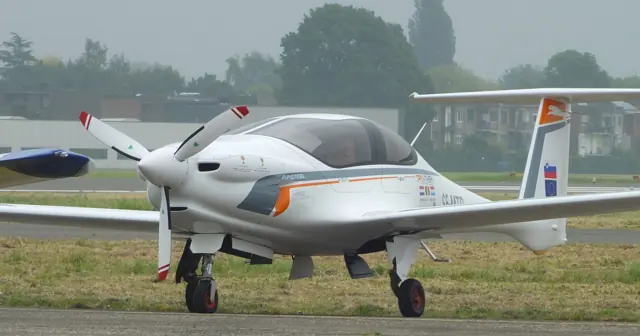
Pipistrel's streamlined four-seat composite-aircraft design.
Two related Dutch regional jets developed from the F28 lineage.
A huge wooden flying-boat prototype that made one brief flight in 1947.
A four-abreast regional-jet family spanning the E170, E175, E190 and E195.
TorqueSim's Pocket Rocket, a simulated PT6-powered light aircraft with two gear layouts.
A twin-turboprop utility aircraft developed by Reims Aviation with Cessna.
A large long-haul twin that introduced Boeing's first commercial fly-by-wire airliner flight controls.
A First World War trainer that became a familiar sight in the barnstorming era.
A wooden touring-aircraft family recognisable by the upward-angled outer wing panels.
A two-seat composite trainer with a low wing and a large canopy.
A long-range strategic bomber with a swept wing and eight jet engines in paired pods.
Avro's delta-wing bomber, developed for Britain's postwar strategic force.
A tandem two-seat sailplane designed for instruction and broader soaring use.
A light business jet with a swept wing, rear-mounted engines and an integrated flight deck.
Diamond's four-seat light twin, developed with diesel-powered versions.
A wartime fighter developed from the earlier Curtiss P-36.
A British utility twin built around short regional and practical transport work.
A pioneering light helicopter whose bubble cabin and exposed structure became widely recognisable.
A carrier-capable multirole fighter, larger than the earlier Hornet from which it developed.
This is AirframeDB’s first release. More features and aircraft research are planned. Leave your email if you’d like occasional updates.