X-Plane
Boeing B-17 Flying Fortress ↗
The four-engine Flying Fortress, a major American bomber of the Second World War.
1 implementations+ Compare
Explore the aircraft. Find your simulator. Follow the sources.
The four-engine Flying Fortress, a major American bomber of the Second World War.
A compact aerobatic biplane family with both single-seat and tandem-seat branches.
A four-engine military turboprop designed to combine tactical access with long-distance transport.
A long-running touring single, familiar in both V-tail and conventional-tail forms.
Regional flying built around a high wing, two turboprops and short sectors.
A light turbine helicopter whose land-based Scout and naval Wasp branches served different jobs.
A light turbine helicopter combining an Alouette II airframe with more powerful Alouette III components.
A light business jet with a swept wing, rear-mounted engines and an integrated flight deck.
A modern two-seat piston helicopter designed around the training role.
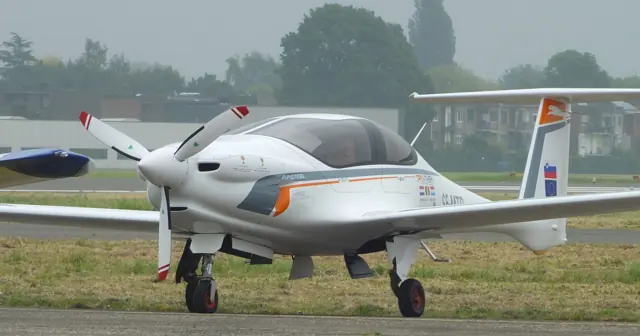
Pipistrel's streamlined four-seat composite-aircraft design.
A tandem two-seat sailplane designed for instruction and broader soaring use.
A 1920s transport family that developed from a single-engine airliner into a trimotor.
Cessna's unusual piston-powered helicopter, marketed as the Skyhook.
A long-range trijet developed from the DC-10 with a stretched fuselage and revised wing and cockpit.
A two-seat training single with a high wing and fixed tricycle landing gear.
A long-range twin whose programme emphasised composite construction and more electrically powered systems.
A cabin biplane with the lower wing placed ahead of the upper one.
A lightweight pusher family with an enclosed cabin and a high, braced wing.
A compact rear-engined jet designed for short-haul regional airline work.
A modern utility single whose family includes both tailwheel and nosewheel configurations.
A small twin-engine amphibian that moved from business transport into military and utility service.
The JetRanger and LongRanger family: a familiar turbine-helicopter shape with distinct cabin lengths.
The purpose-built Ryan monoplane used by Charles Lindbergh for his 1927 solo Atlantic crossing.
A twin-turbine Huey descendant with a four-blade main rotor.
This is AirframeDB’s first release. More features and aircraft research are planned. Leave your email if you’d like occasional updates.