MSFS X-Plane
Diamond DA62 ↗
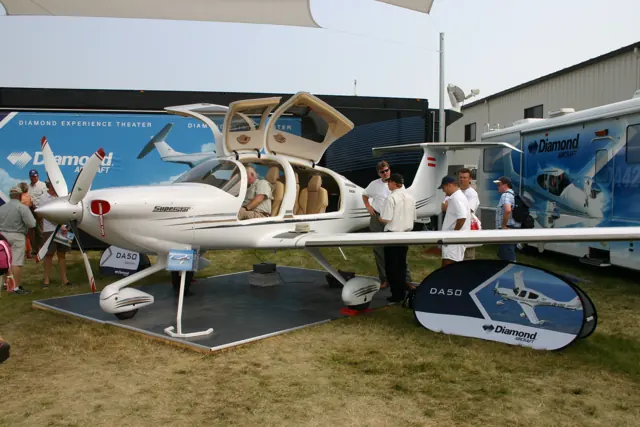
A modern composite twin with a roomy cabin and two wing-mounted piston engines.
3 implementations+ Compare
Explore the aircraft. Find your simulator. Follow the sources.
A modern composite twin with a roomy cabin and two wing-mounted piston engines.
A four-seat, pressurised kit aircraft with a composite airframe and retractable landing gear.
A single-engine utility helicopter known as the Écureuil, Squirrel and AStar.
A five-seat composite single whose development led to the diesel DA50 RG.
TorqueSim's Pocket Rocket, a simulated PT6-powered light aircraft with two gear layouts.
A four-engine Airbus wide-body developed in parallel with the A330.
A two-seat composite kit aircraft developed from the Lancair 320.
SOCATA's touring-aircraft family, including the Tobago and Trinidad.
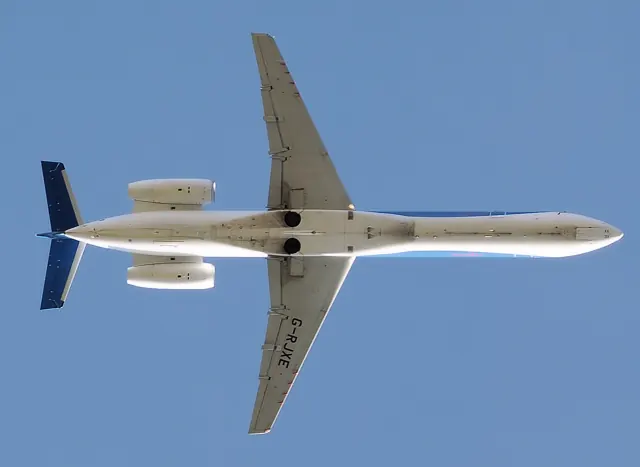
Embraer's regional-jet family, from the ERJ 135 to the longer ERJ 145.
A heavy transport helicopter whose two large rotors remove the need for a tail rotor.
Cirrus's first type-certified aircraft, a composite piston single.
Epic's experimental light-jet project, represented in simulation by Aerobask.
Mooney's four-seat piston family, developed through many touring-aircraft variants.
A composite touring single with a whole-aircraft parachute and several generations of avionics.
A specialised reconnaissance aircraft designed for very high altitude and sustained supersonic flight.
An open, single-seat ultralight with its propeller behind the pilot.
A long-range fighter whose different engine and canopy developments produced several distinct forms.
A twin-aisle Boeing designed alongside the 757's generation of two-pilot flight decks.
A two-seat naval fighter with variable-sweep wings and a cockpit built around pilot and radar-intercept officer roles.
A large long-haul twin that introduced Boeing's first commercial fly-by-wire airliner flight controls.
A light turbine helicopter combining an Alouette II airframe with more powerful Alouette III components.
A stretched development of the DC-9 with rear-mounted engines and a five-abreast cabin.
A push-pull twin with one engine at each end of the central fuselage.
The second-generation Harrier, designed around vectored thrust and short-field operation.
This is AirframeDB’s first release. More features and aircraft research are planned. Leave your email if you’d like occasional updates.