X-Plane
TorqueSim Pocket Rocket ↗
TorqueSim's Pocket Rocket, a simulated PT6-powered light aircraft with two gear layouts.
1 implementations+ Compare
Explore the aircraft. Find your simulator. Follow the sources.
TorqueSim's Pocket Rocket, a simulated PT6-powered light aircraft with two gear layouts.
A four-seat high-wing single that spans generations of conventional instruments and glass cockpits.
A light business jet with a swept wing, rear-mounted engines and an integrated flight deck.
A small three-engine demonstrator created to explore technologies for a future supersonic airliner.
A stretched development of the DC-9 with rear-mounted engines and a five-abreast cabin.
A tandem-seat jet trainer that also found a second life in civilian display and racing.
A compact racing aeroplane built around a large radial engine and very short fuselage.
A twin-turbine Huey descendant with a four-blade main rotor.
A five-seat turbine helicopter developed from Robinson's smaller piston-helicopter line.
A twin-aisle Boeing designed alongside the 757's generation of two-pilot flight decks.
Regional flying built around a high wing, two turboprops and short sectors.
Ted Smith's piston twin, later produced by Piper as the Aerostar.
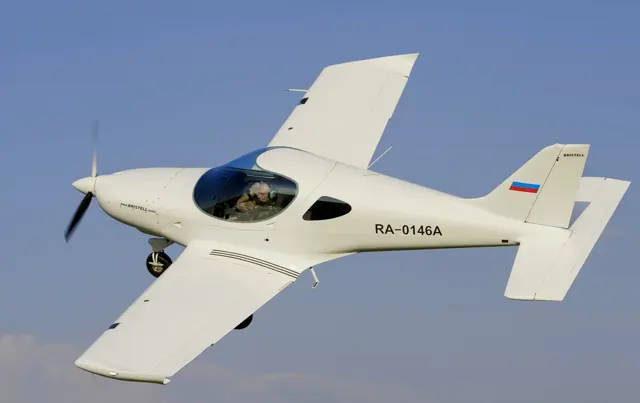
BRM Aero's two-seat B23, represented in MSFS by Airfoillabs.
A compact rear-engined jet designed for short-haul regional airline work.
A single-seat aerobatic monoplane that also became a familiar air-racing aircraft.
The Wilga is the real-aircraft starting point for Mike Patey's DRACO and the simulator's DRACO X.
A jet-powered military transport designed for both strategic loads and tactical airfield access.
A First World War trainer that became a familiar sight in the barnstorming era.
A twin-engine utility helicopter with roots in the BK 117 and EC145 families.
A two-seat light amphibian with a compact boat hull and a pusher propeller.
A corrugated-metal transport best known in its three-engine form.
A Canadian tandem-seat trainer developed after the Second World War.
A pressurised touring twin whose piston and turbine-conversion versions make a particularly interesting comparison.
A modern medium twin-engine helicopter developed as a successor to the Dauphin line.
This is AirframeDB’s first release. More features and aircraft research are planned. Leave your email if you’d like occasional updates.