MSFS
Ford 4AT Trimotor ↗
A corrugated-metal, three-engine transport from the formative years of airline travel.
1 implementations+ Compare
Explore the aircraft. Find your simulator. Follow the sources.
A corrugated-metal, three-engine transport from the formative years of airline travel.
A compact twin-engine transport helicopter with retractable gear and a long development history.
A large twin-radial transport that carried heavy loads through wartime and post-war freight service.
A Swedish reconnaissance and dive-bombing aircraft from the early 1940s.
A single-engine turboprop workhorse for passenger services, freight and remote-area transport.
A Brazilian light trainer with a high wing, tandem seats and a simple utility layout.
A twin-aisle Boeing designed alongside the 757's generation of two-pilot flight decks.
Mooney's four-seat piston family, developed through many touring-aircraft variants.
A tandem-seat utility aircraft whose light structure and high wing suit bush, towing and recreational work.
A low-wing agricultural Cessna with a cockpit and hopper arranged around the job.
A self-launching sailplane family with its engine inside the fuselage and a folding nose propeller.
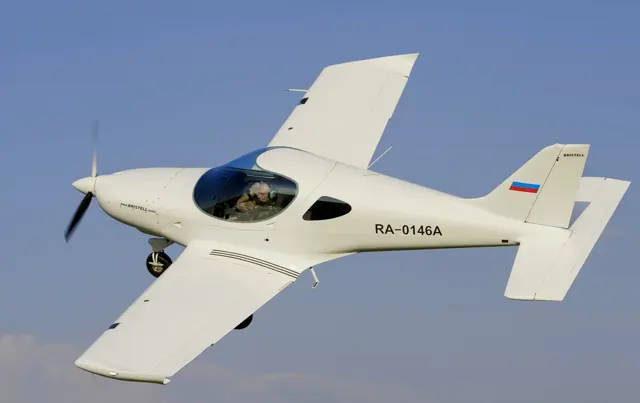
BRM Aero's two-seat B23, represented in MSFS by Airfoillabs.
The four-engine wide-body whose raised flight deck created one of aviation's most recognisable profiles.
A First World War trainer that became a familiar sight in the barnstorming era.
A radial-engined light transport whose long career covered passengers, freight and military training.
Tecnam's two-seat, low-wing Sierra, introduced in the early 2000s.
A four-bladed utility helicopter developed from the LongRanger lineage.
An enclosed-cabin development of the Bell 47, shaped for passenger and executive transport.
A huge wooden flying-boat prototype that made one brief flight in 1947.
The purpose-built Ryan monoplane used by Charles Lindbergh for his 1927 solo Atlantic crossing.
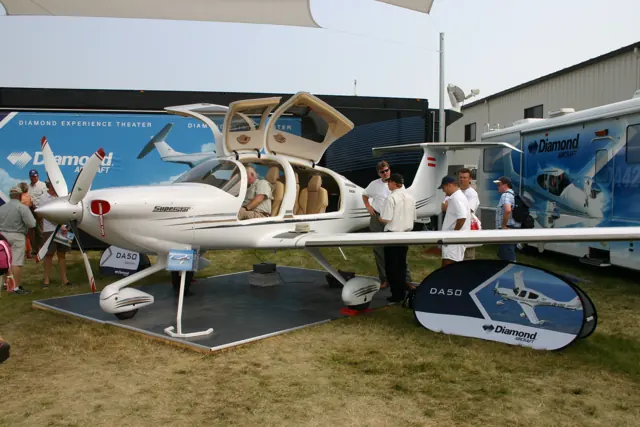
A five-seat composite single whose development led to the diesel DA50 RG.
A utility-aircraft family whose stretched 207 branch trades compact proportions for more cabin space.
A wide-cabin business-jet family that developed from Canadair's original Challenger programme.
The second-generation Harrier, designed around vectored thrust and short-field operation.
This is AirframeDB’s first release. More features and aircraft research are planned. Leave your email if you’d like occasional updates.